
A Guide to Danzhai: Finding the Best Authentic Miao Batik in Guizhou, China
Last month, I took a whirlwind 72-hour work trip to Guiyang, and I knew I couldn't leave without witnessing the legendary Chinese Miao Batik (La Ran), found in the the misty highlands of Guizhou, China. The research to make this trip happened wasn’t as direct as it could be, I’m hoping that my post-travel notes will ease your journey.
The Road to Danzhai county
To get to Guizhou on a plane, you’re likely going to arrive in Guiyang city. It’s good to stay here for 2 nights to explore the night market and street food (Guiyang is famous for glutinous rice (贵阳糯米饭),fried potato with chilli flakes(洋芋粑), bizarre fried rice(怪味炒饭),bean-based hotpot (豆米火锅). Many of their dishes come with a local delicacy - crispy pork lard. You can say everything here is on the heavier savoury profile, as well as calories.
Certainly, there’s no visible sign of indigenous heritage here in Guiyang city. As soon as I wrapped up work, I headed toward Danzhai immediately, and the world transformed.
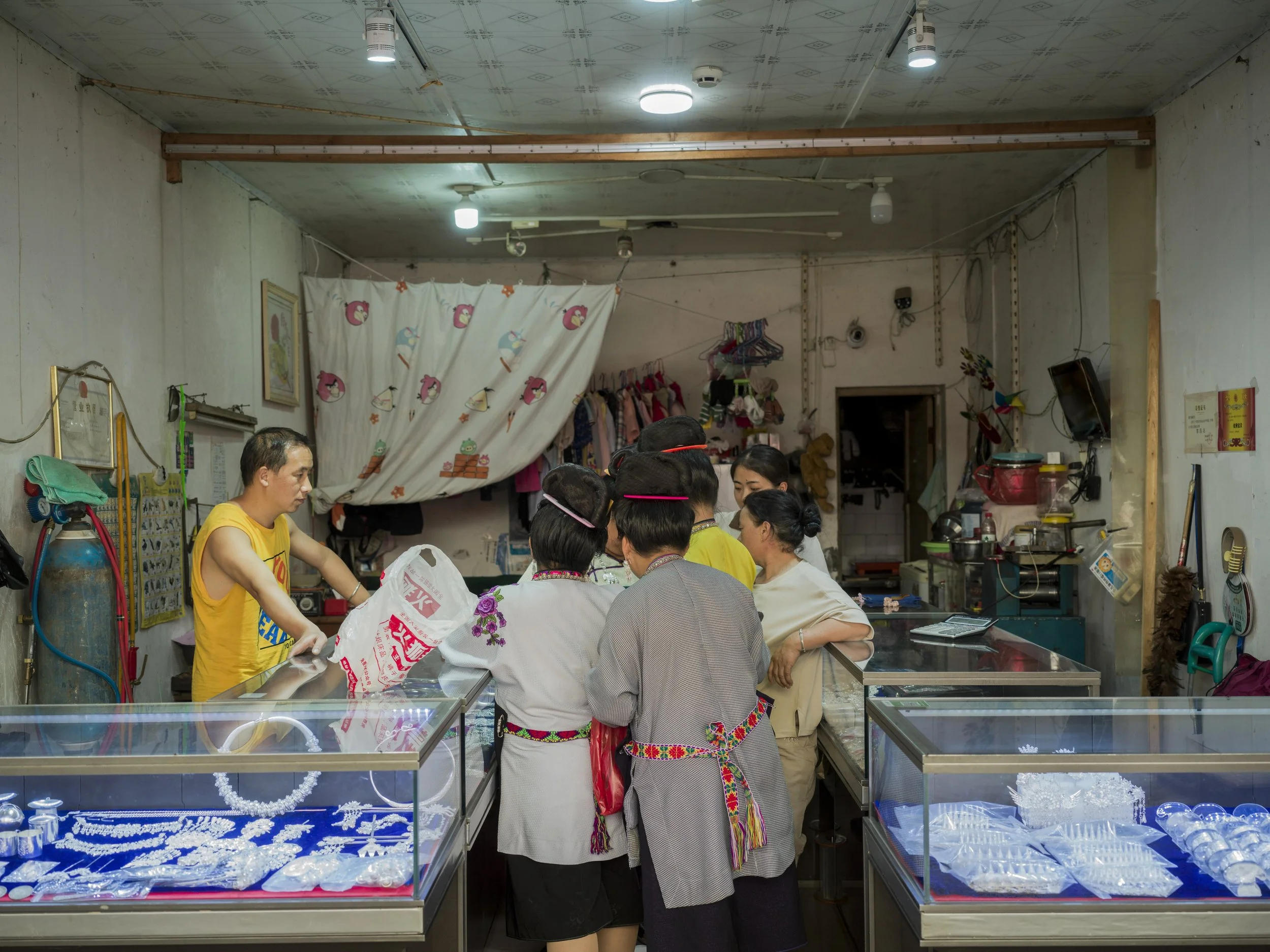
To locate this local market, use this address: G321, Qiandongnan, Guizhou, China
Danzhai is often cited on Xiao Hong Shu (Chinese social media) as the most accessible rural hub for Miao culture, departing from Guiyang (trip will take around 2:30 hours by driving). While the highway from the city is surprisingly smooth and pothole-free, the real journey begins when you leave the main road.
Travel Tip: If you have motion sickness, be warned. The route from Danzhai to the batik/weaving villages like Pai Mo (排莫村) is a labyrinth of twisty, extreme narrow mountain passes. I highly recommend hiring an experienced local driver; these roads require a level of skill (and nerves of steel) that most city drivers lack. I bought some preserved sour plum to help with the nauseating journey ahead, but what would’ve helped is some solid motion-sickness pills.
Upon arriving in Danzhai, my heart instantly melted. I saw older women with their hair swept into magnificent updos, secured by an intricate silver hairpins or coloured comb. I knew at that moment the Miao women traditionally never cut their hair, and henceforth wearing it with immense pride. Seeing them go about their daily lives, wearing their traditions just as a way of being, not performative.
Where to Stay: I stayed at the Wanda Jin Hot Spring Danzhai Hotel, a 5-star property integrated into Wanda Town, overlooking a serene lake views. The hotel is also linked to a heritage town filled with restaurants and cultural performances. Your stay typically includes tickets to the cultural show, as well as access to the indoor hot springs.
Planning Your Danzhai Itinerary: My Research
Since I was on a tight schedule, I couldn't see everything, but I had done my part researching the best ways to experience this disappearing culture. If you are planning a trip, here is what you shouldn't miss:
1. The Weekly Market (赶集 - Gǎn Jí)

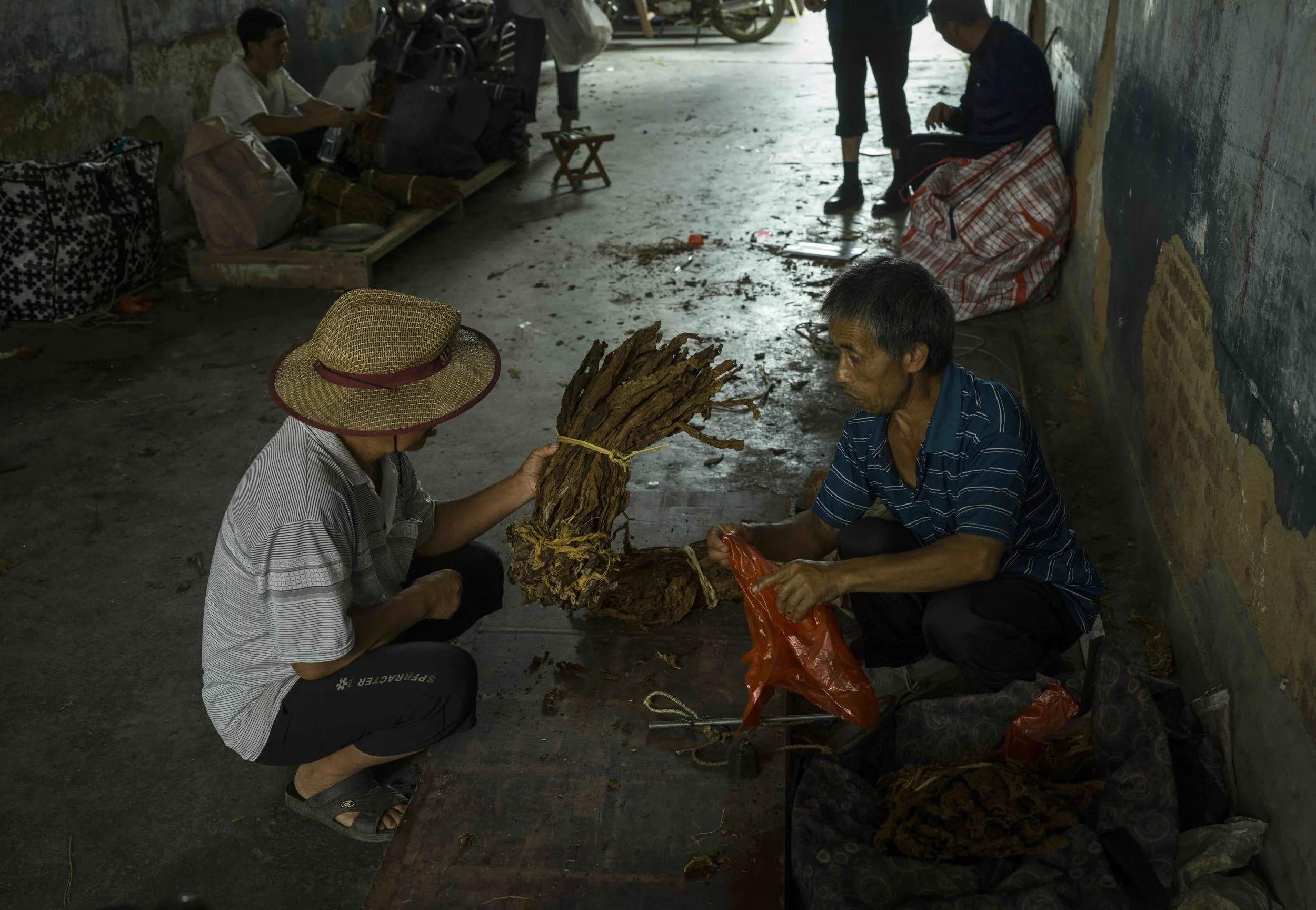
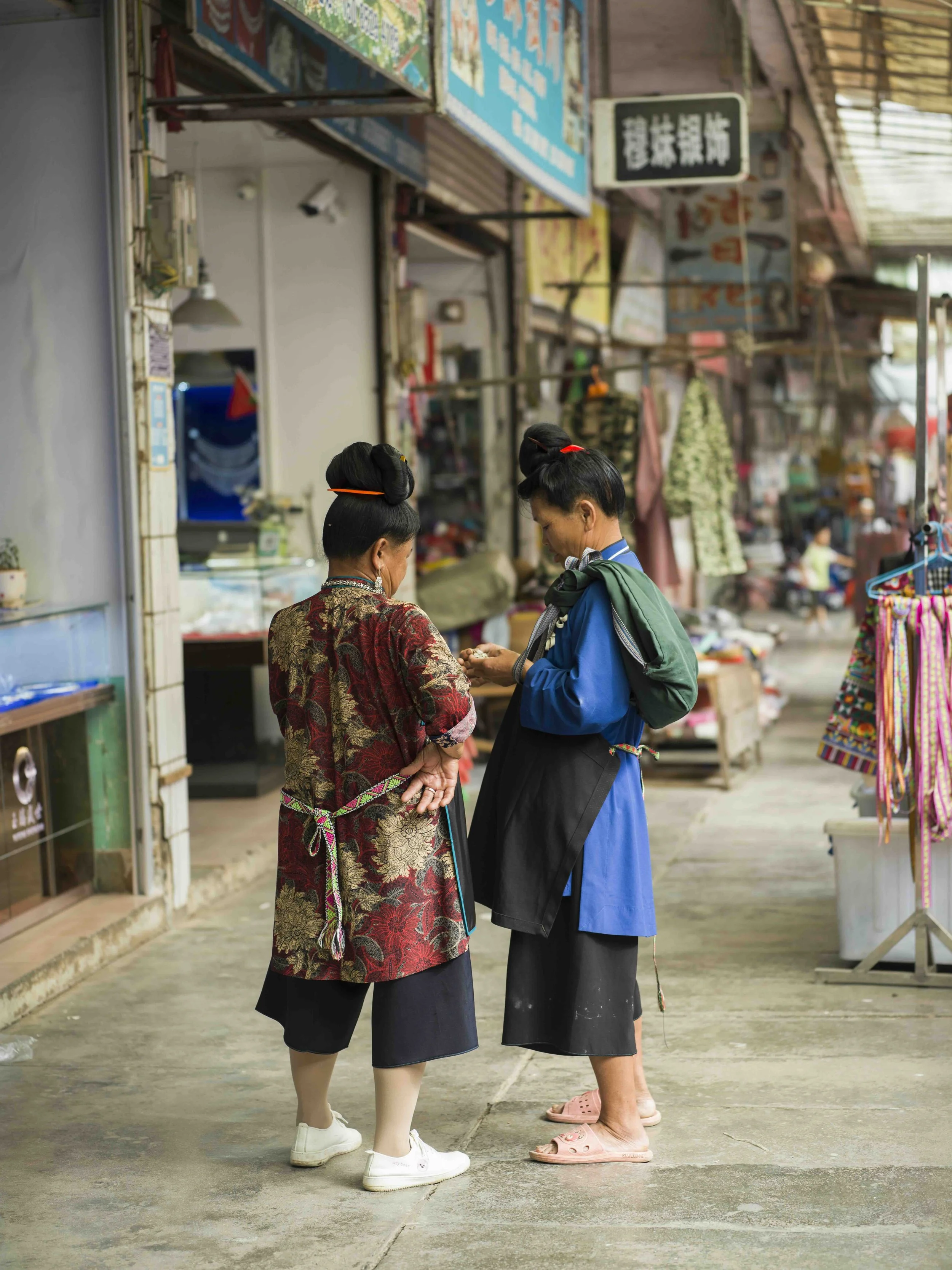
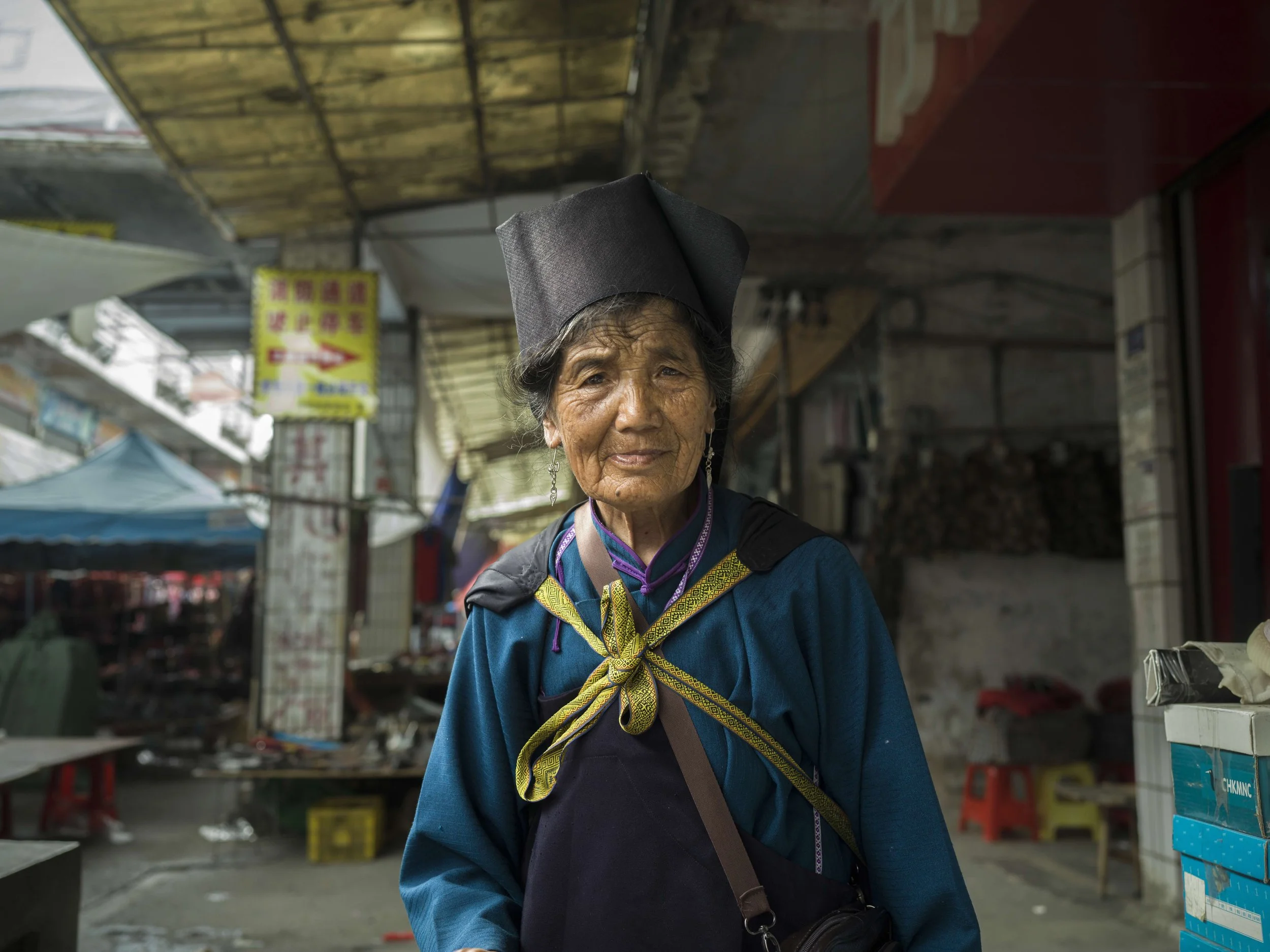
Look for the weekly market day in Wanda (Danzhai’s main town) when different nearby tribes gather to trade. Unlike tourist souvenir shops, most items here, from produce to hand-loomed cloth, are for everyday local use. While you may still find delightful souvenirs to take home, you should also manage your expectation that this is more like “the best place to see "real" trade.”
2. Pai Mo Village (排莫村)
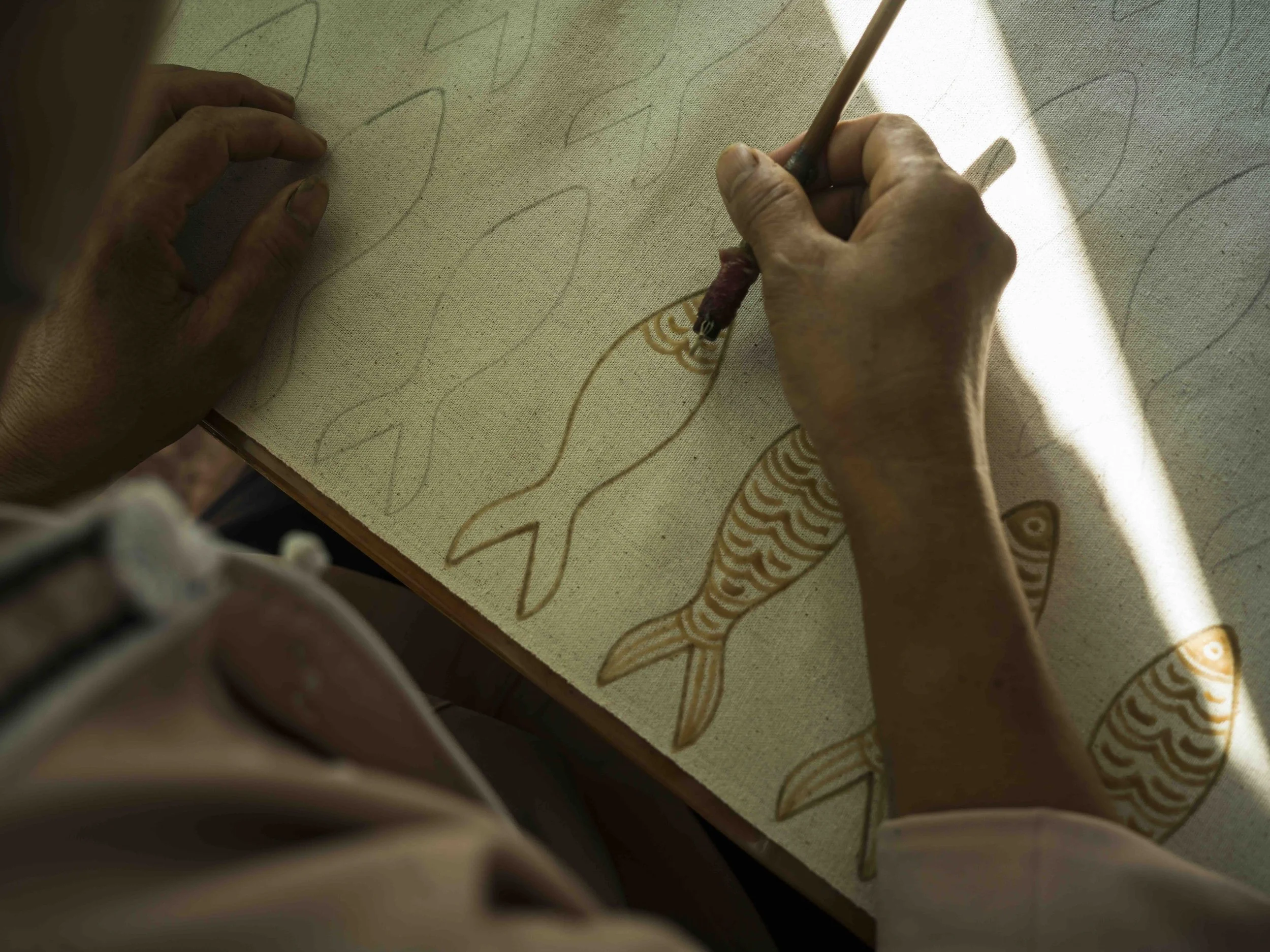
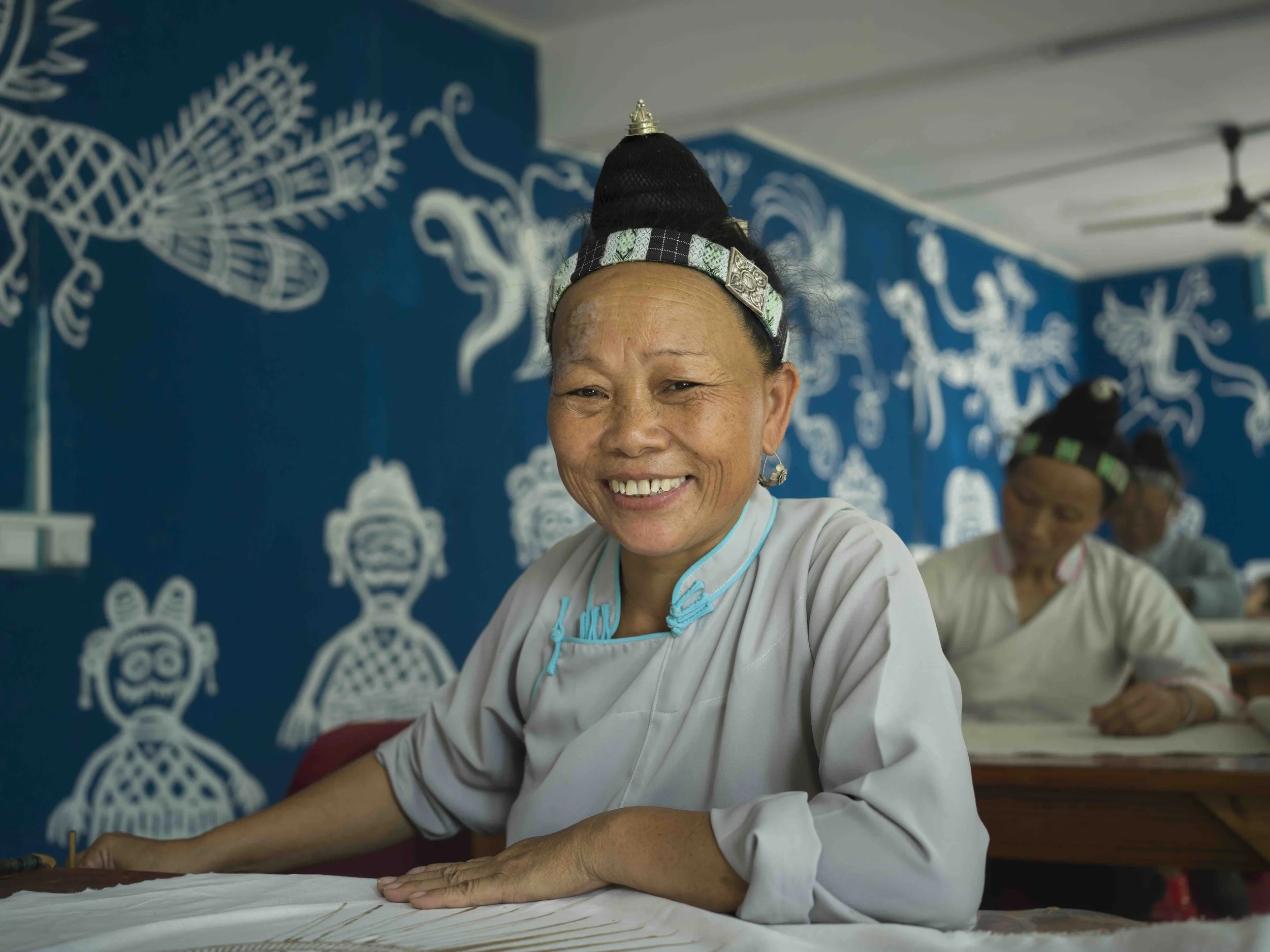
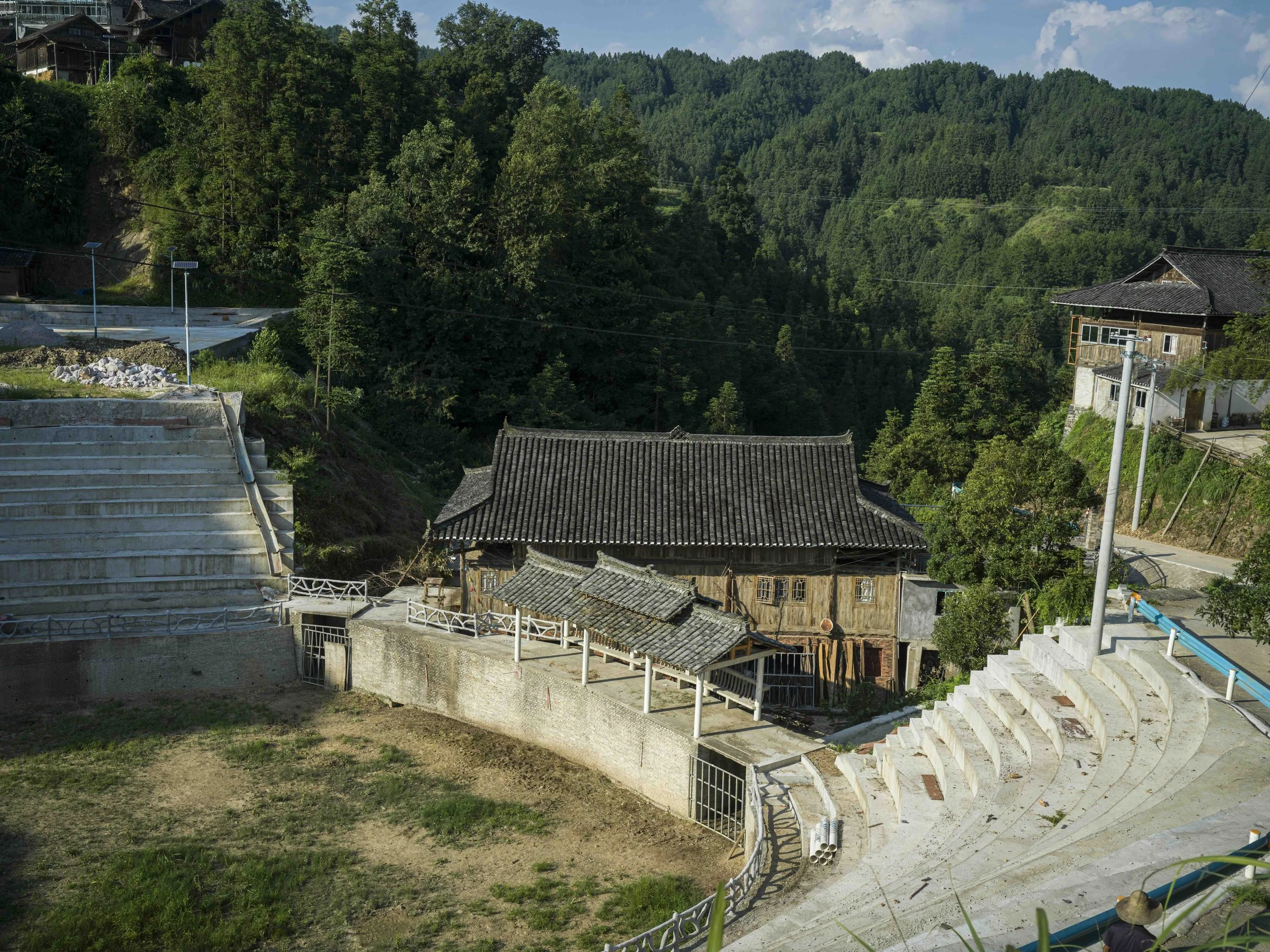
This village is around 1.30 hours by driving away from Wanda town (around 40km), also known as the "First Dye of the East" (东方第一染), this is the soul of Miao batik in China. I highly recommend visiting. The area is home to many independently run batik workshops, each carrying a long and proud history. I visited “明秀蜡染房,” founded by Ms. Zhang, who sustains the livelihoods of many village women by innovating a business model around their wax-resist tradition. Their new business model includes hospitality and immersive learning programs for visitors, as well as turning painted fabrics into modern fashion products such as scarves, purses, and dresses.
The Experience: You can stay for several days to learn the entire process of La Ran, from drawing with wax to the indigo fermenting process. Accommodation is available as part of an immersive batik making experience. You do not need to make any booking. In fact, there’s no way to reach to Ms. Zhang, unless you show up directly at her front door (giggles).
The Vibe: It’s a rustic village of terrace paddy fields, vegetable farms and heritage wooden/brick houses.
Pro Tip: Eateries are scarce, but the local batik makers often offer communal meals at a highly affordable price. There are also vending machines for cold drinks!
How to get to there:The address is Paimo Village in Yangwu Town, Danzhai County, Guizhou Province. Once you arrive, you’ll see Chinese signboards directing you to different workshops. You can also show my photos to the villagers - they’ll help point you in the right direction. Just be aware that once you reach Danzhai, most people will speak their local dialect. Mandarin and English may not be as useful anymore.
3. Kala Village (卡拉村)
Near to Wanda town (probably 20 mins-ish), Kala is famous for traditional birdcage making and is much more accessible than Pai Mo Village. However, a word of caution: it can feel a bit "performative" and touristy. While the craft is real, it is heavily geared toward tourists and photo opportunities. For a raw experience, head deeper into the mountains. Kala village welcomes many tour buses on the daily basis, and there are plenty of cultural museums and restaurants built for tourism purposes.
Final Thoughts: Why You Should Go
China is developing fast, and very few rural places are truly left untouched. As tourism grows, Miao culture has become easy to package and commercialize. If you actually want to see daily village life - how people live, work, and maintain traditions beyond performances; Danzhai is about as accessible and genuine as it gets.
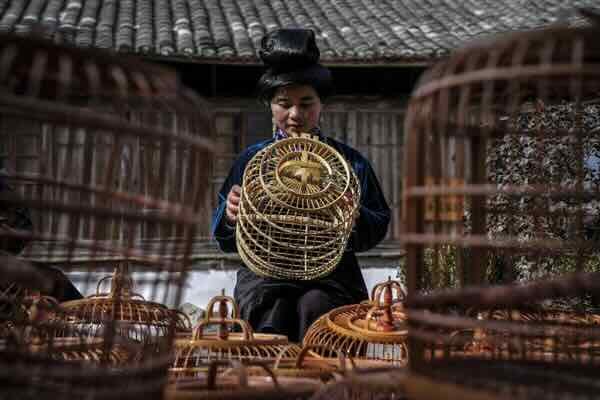
Source: “Birdcage of Kala Village” from China Press
