Local Maldives Travel Guide: Is there any culture left in the watermelon island - thoddoo
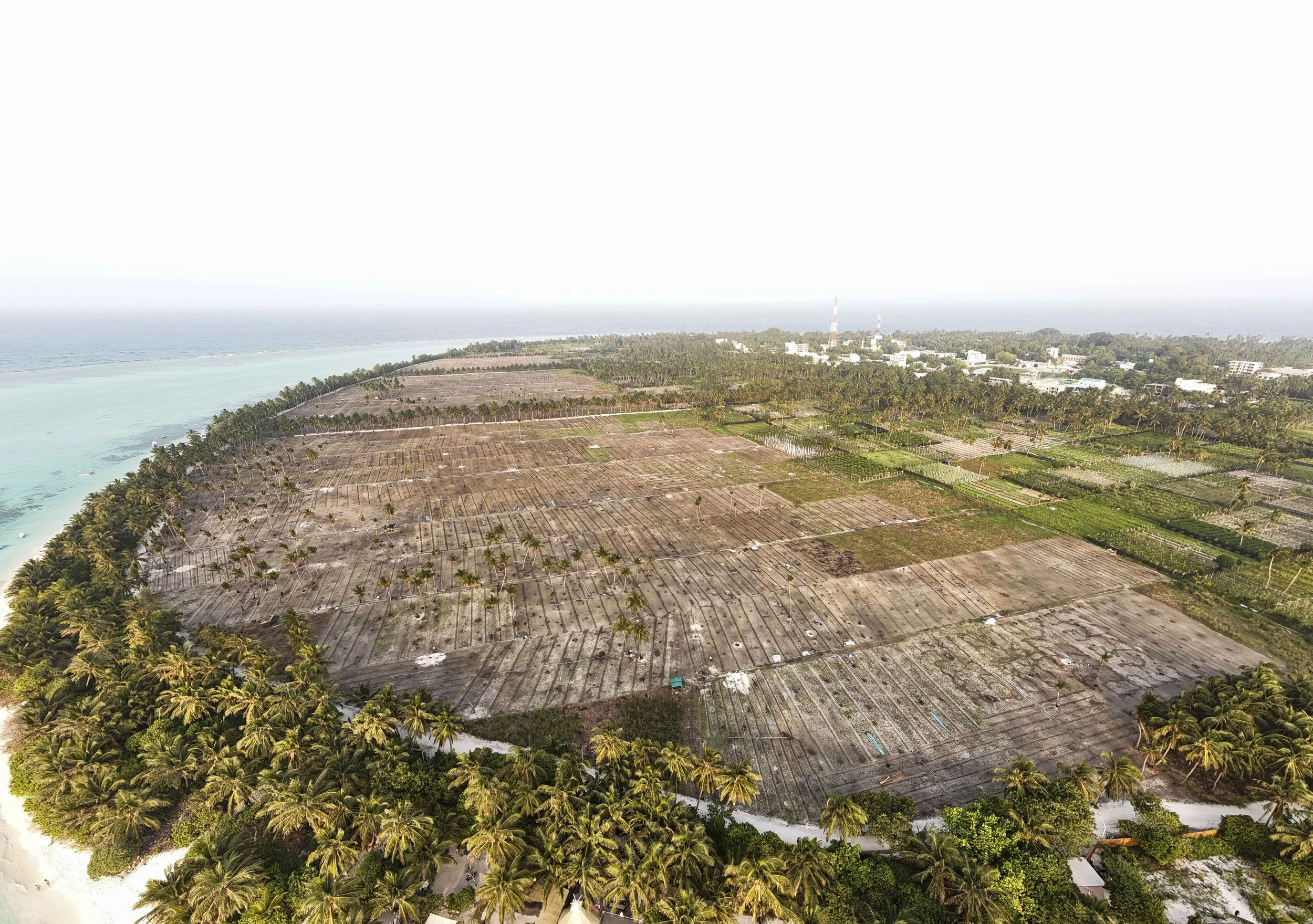
Thoddoo is home to a patchwork of farmland - watermelon, banana, papaya, kangkung, red spinach, cabbage, pandan, and betel leaf growing side by side.
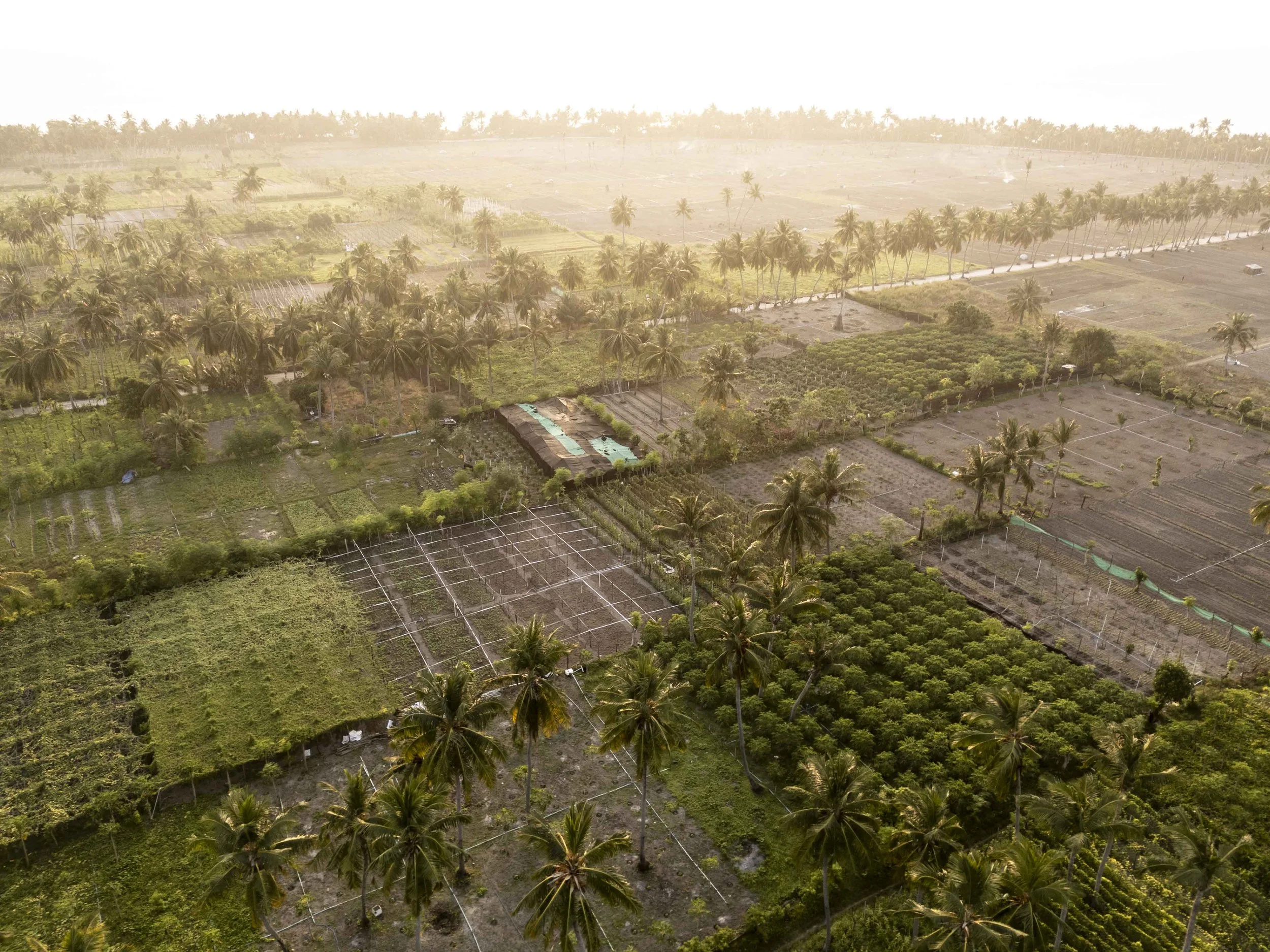
Aerial of Thoddoo, shot on a DJI Mini 4 Pro.
The Maldives is often sold as a series of sterile, blue-and-white postcards.
But if you hop on a public speedboat ($35 one way) from Malé and head 67km west to the Alif Alif Atoll, you’ll find an island that smells less like expensive sunscreen and more like damp earth and ripening fruit.
Thoddoo. To tourists, it’s a budget-friendly paradise with two of the most beautiful "bikini beaches" in the country. To Maldivians, it’s the "Watermelon Island" - the fruit farm of the nation. But as guest houses replace family homes, the question remains:
Is the authentic Maldivian heart of Thoddoo still beating?
Unfortunately, the answer is no. Still, I’m writing this guide to help you make the best of what remains of Thoddoo.
Comparing to Maafushi, the very first local island in the Maldives to open its doors to local tourism in 2010; Thoddoo has a much more quiet, lush green agricultural atmosphere. Unlike Maafushi, Thoddoo didn't need tourism as desperately as other islands because their fruit exports were already highly profitable. It took them slow gradual years to open themselves up to the tourists. Thoddoo is also located further from Malé than Maafushi, requiring a more reliable speedboat infrastructure before tourists could visit consistently.
From Male to Maafushi by speedboat: 30-45 minsFrom Male to Thoddoo by speedboat: 1 hour or moreThe public speedboat is spacious and has a large capacity (see below). Once you arrive in Thoddoo, large buggies will pick you up and take you to your guesthouse. Most guesthouses also offer bicycles and electrical motorbikes for rent.
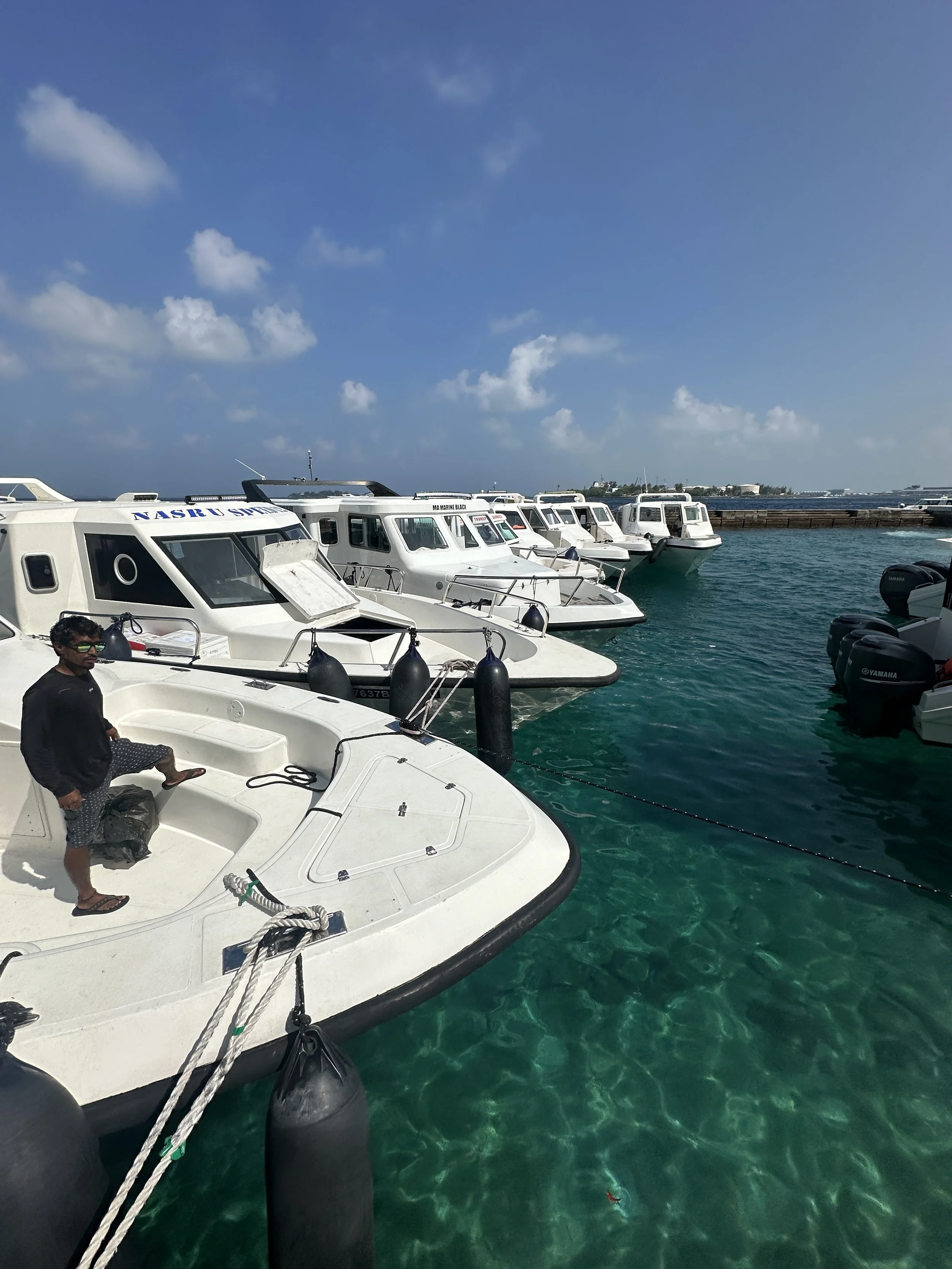
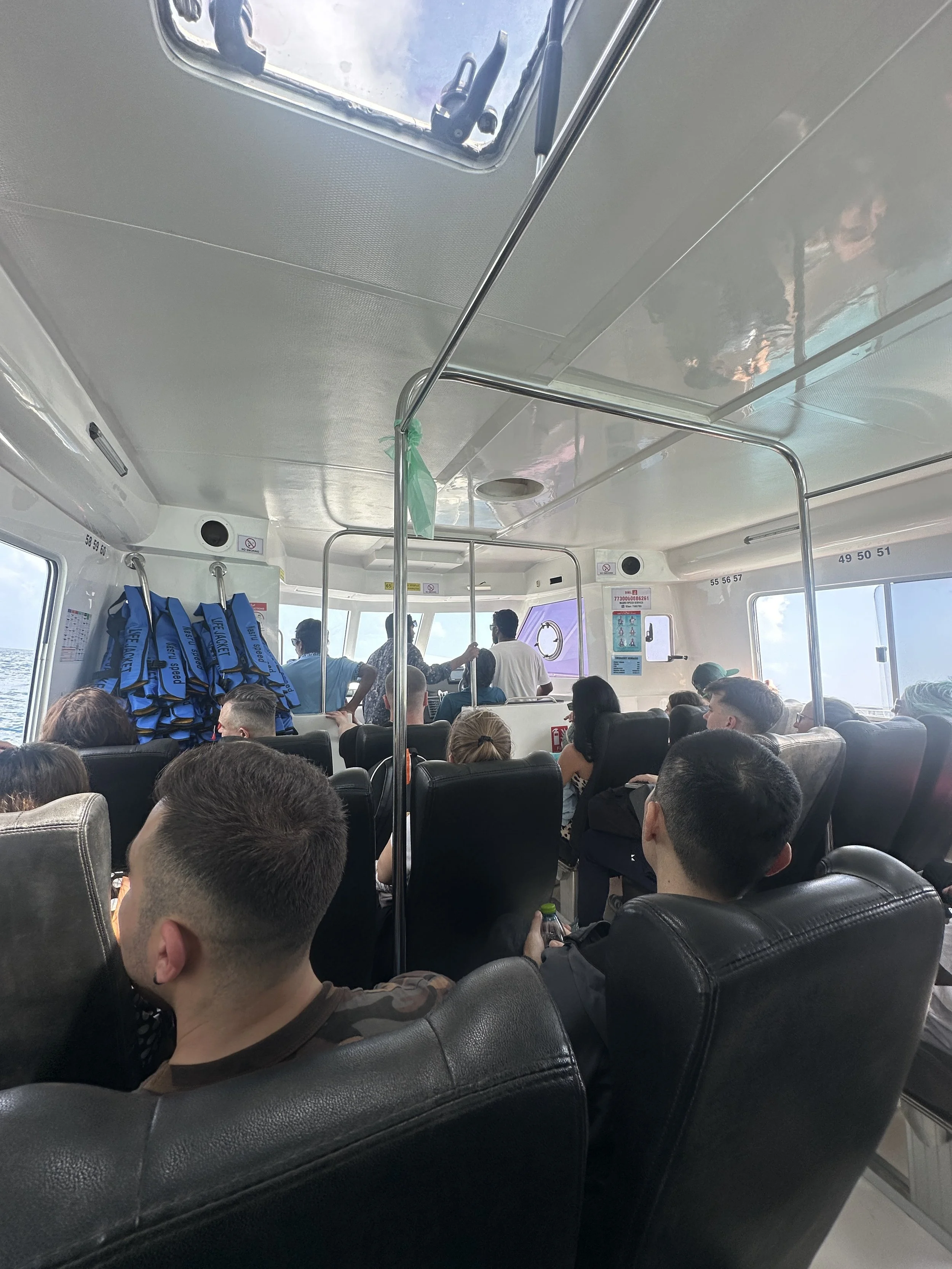
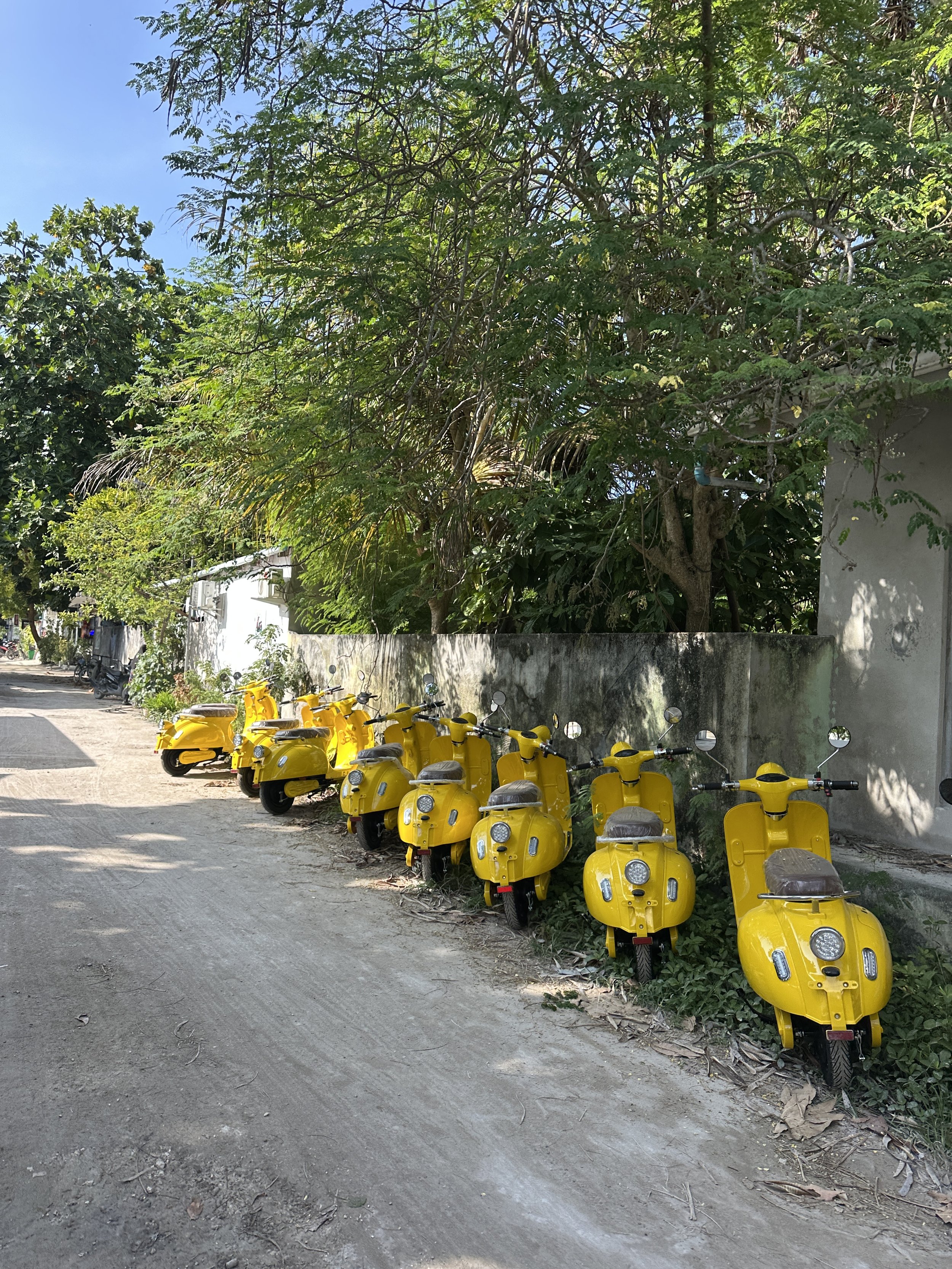
Around 2013-2014, a few early pioneers, like Serene Sky Guest House and Thoddoo Beach Holiday Inn, began to prove that tourism could coexist with farming. his was also when the first “bikini beach” was established to accommodate foreign travelers. When local tourism opened in 2010, the government had to balance the religious values of local communities with the expectations of foreign tourists who wanted to sunbathe and enjoy the sea in bikinis.
I spent a few days in Thoddoo with my partner, the Local Living, who documents the last generation of traditional Maldives. We tried our best to uncover the authentic culture here. Our most honest verdict:
Half the island already looks like Canggu, Bali; the other half is sprinting toward becoming the next version of it.
Still, if you squint past the European cafés and construction concrete, Thoddoo still offers glimpses of the Maldives before the makeover. With a bit of curiosity and restraint, this is what you can still seek out to experience something Maldivian:
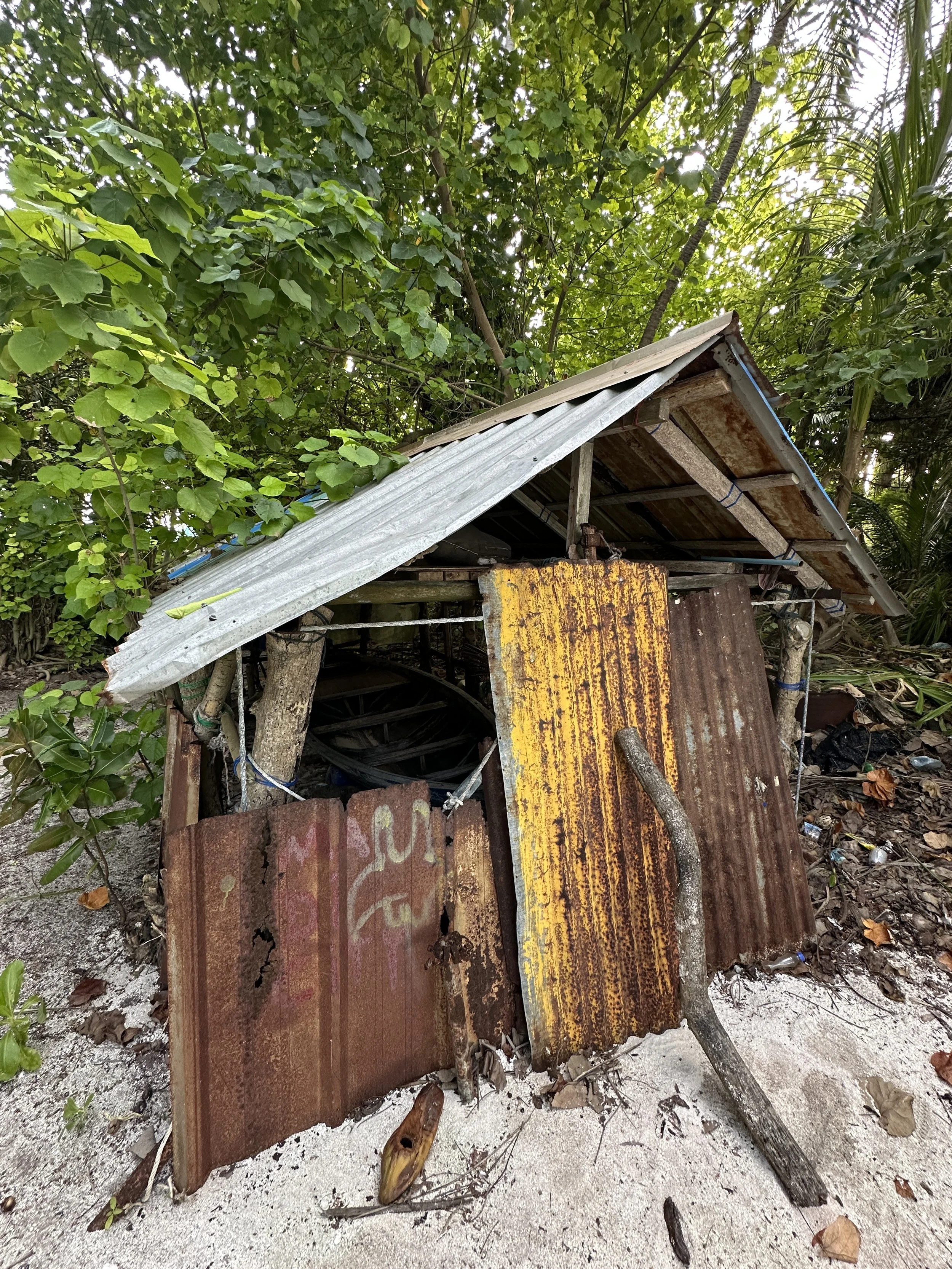
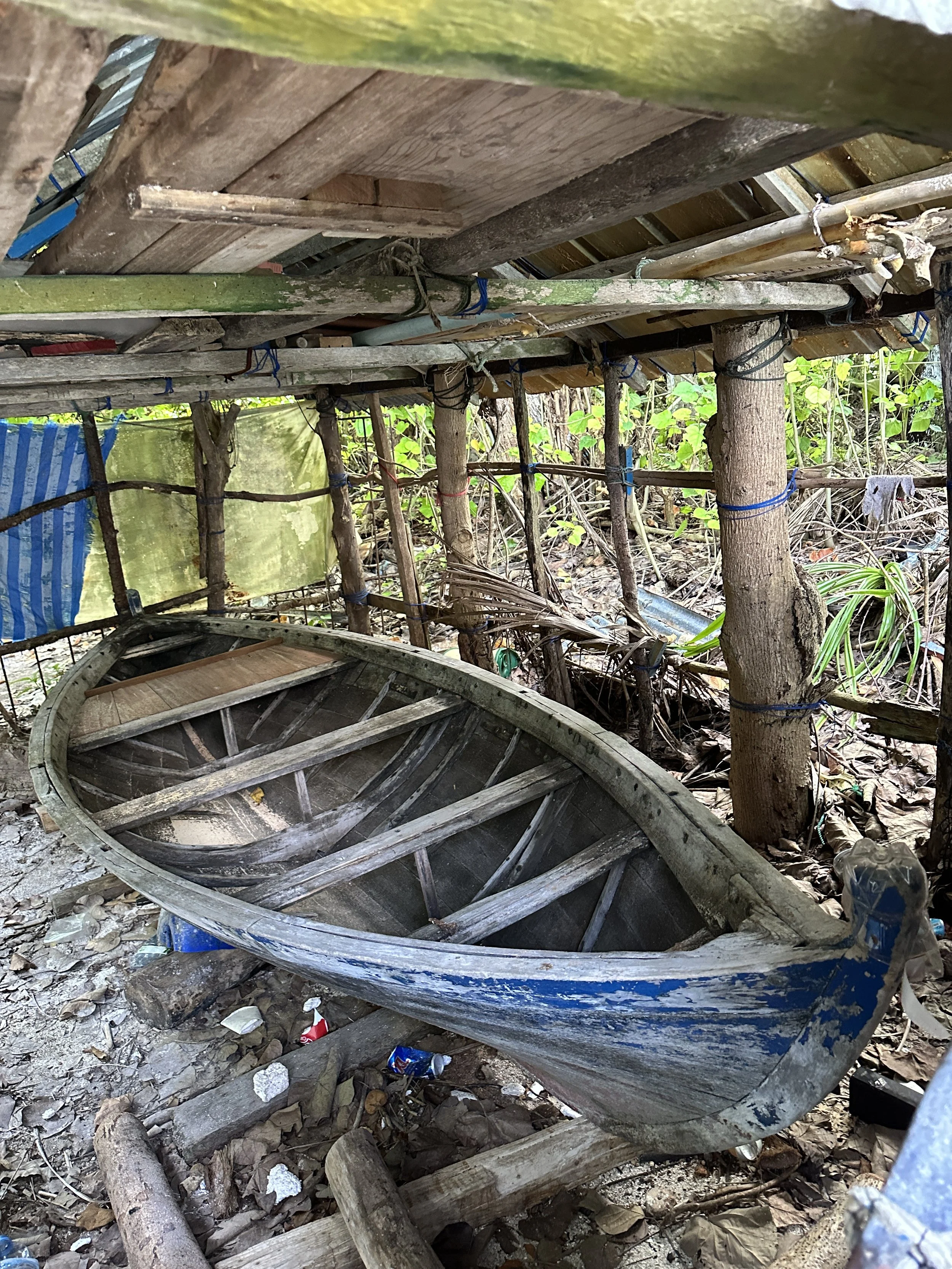
The Boat Shed (Dhoni shed)
Located along the seashore, right next to the watermelon farm, you’ll find the boat shed if you pay close attention, well…consider it a cultural treasure hunt! Boats were once special to Thoddoo, not for fishing, but for transport. The same men who grow the watermelons often own or work on the boats that carry the fruit to the Malé markets.
2. Joali (Traditional rope chairs)
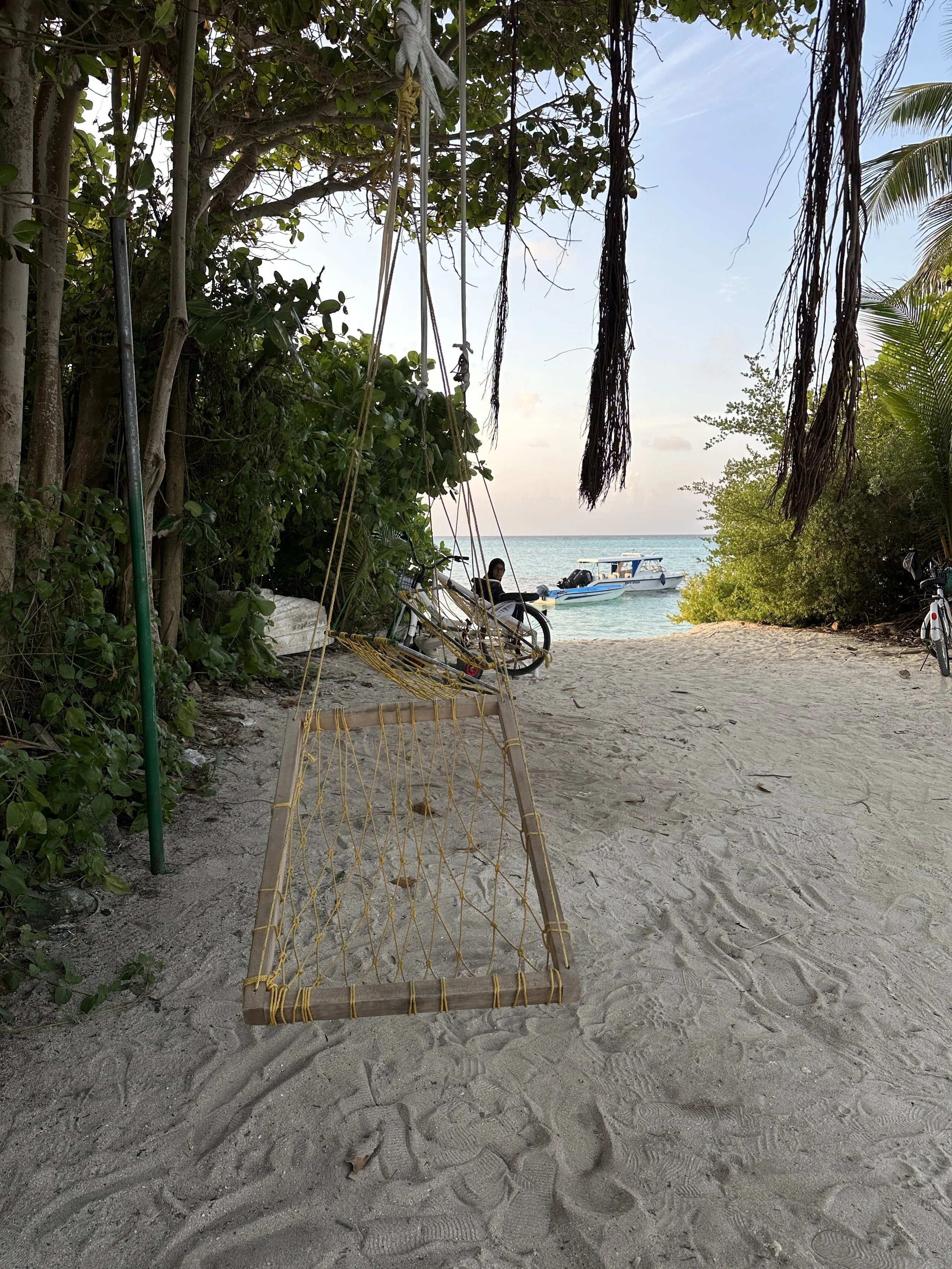
Some local islands have more joalis. Some have less. The most untouched islands still place them right outside the house where neighbours stop to talk, where elders sit and watch the day drift by.
No Maldivian local is willingly chooses plastic chairs for the joali is perfect for the climate: a sturdy rectangular frame, traditionally coconut wood or teak, cradling a pocket of hand-woven coir rope. All mesh, no padding. Yes, it breathes from every angle, 360-degree airflow, better than a Dyson. It might be the most intelligent piece of furniture ever designed for the tropics.
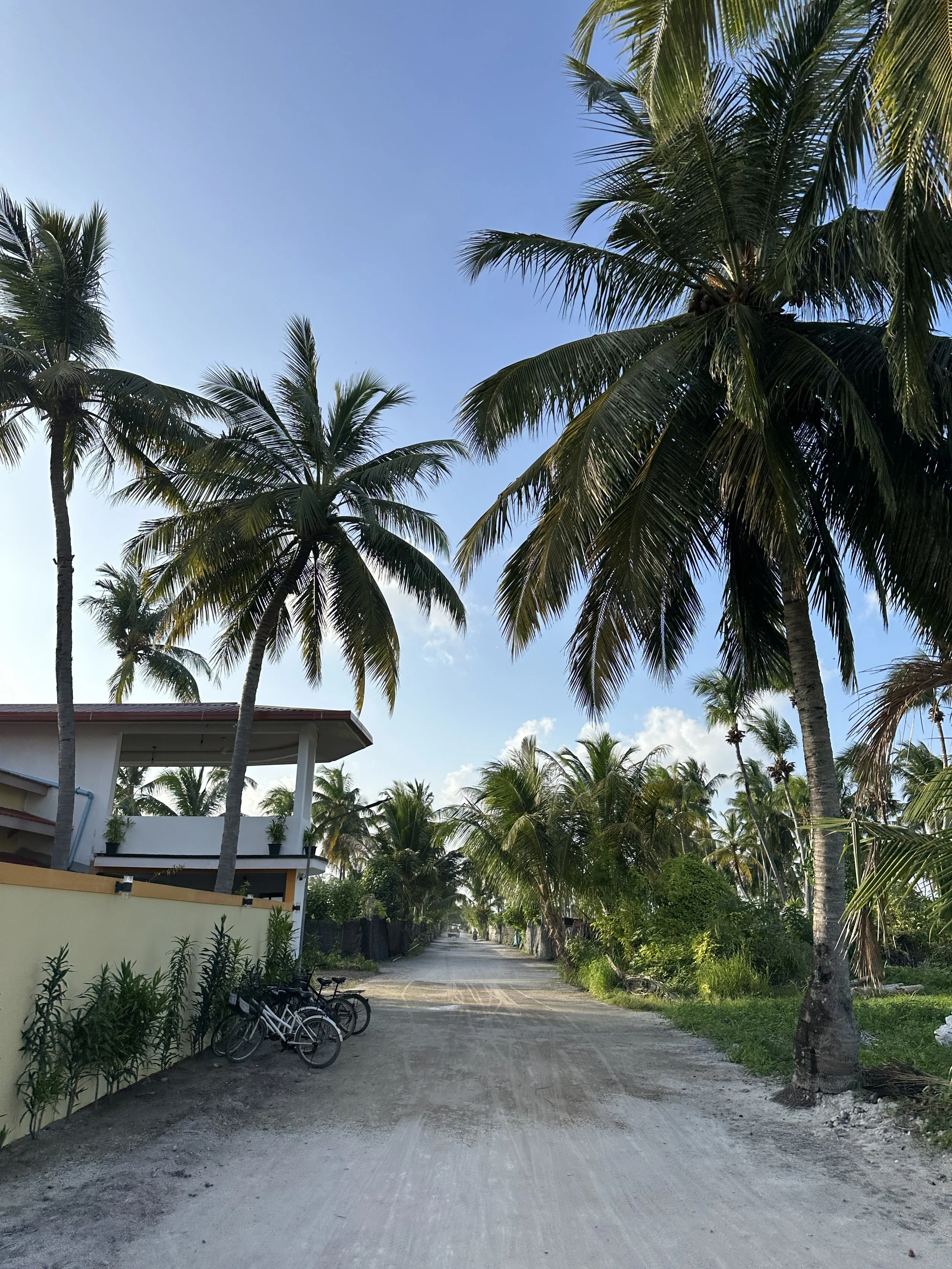
Thoddoo, for its size, has fewer joalis than most. Many homes have removed them to make way for tourist buggies rumbling through. So please enjoy the joalis when you see one!
3. The 4pm Evening Tea (Haveeru Sai)
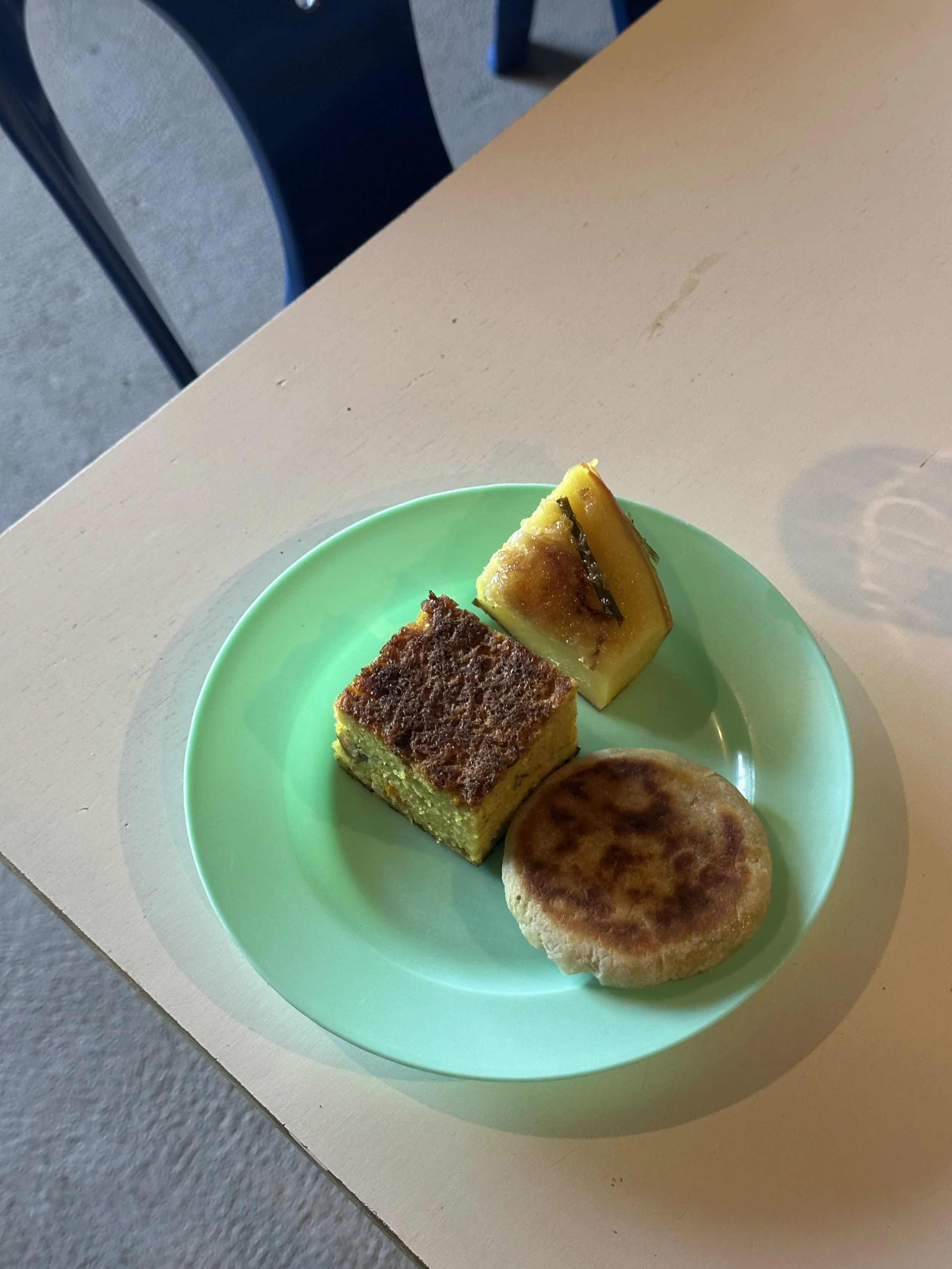
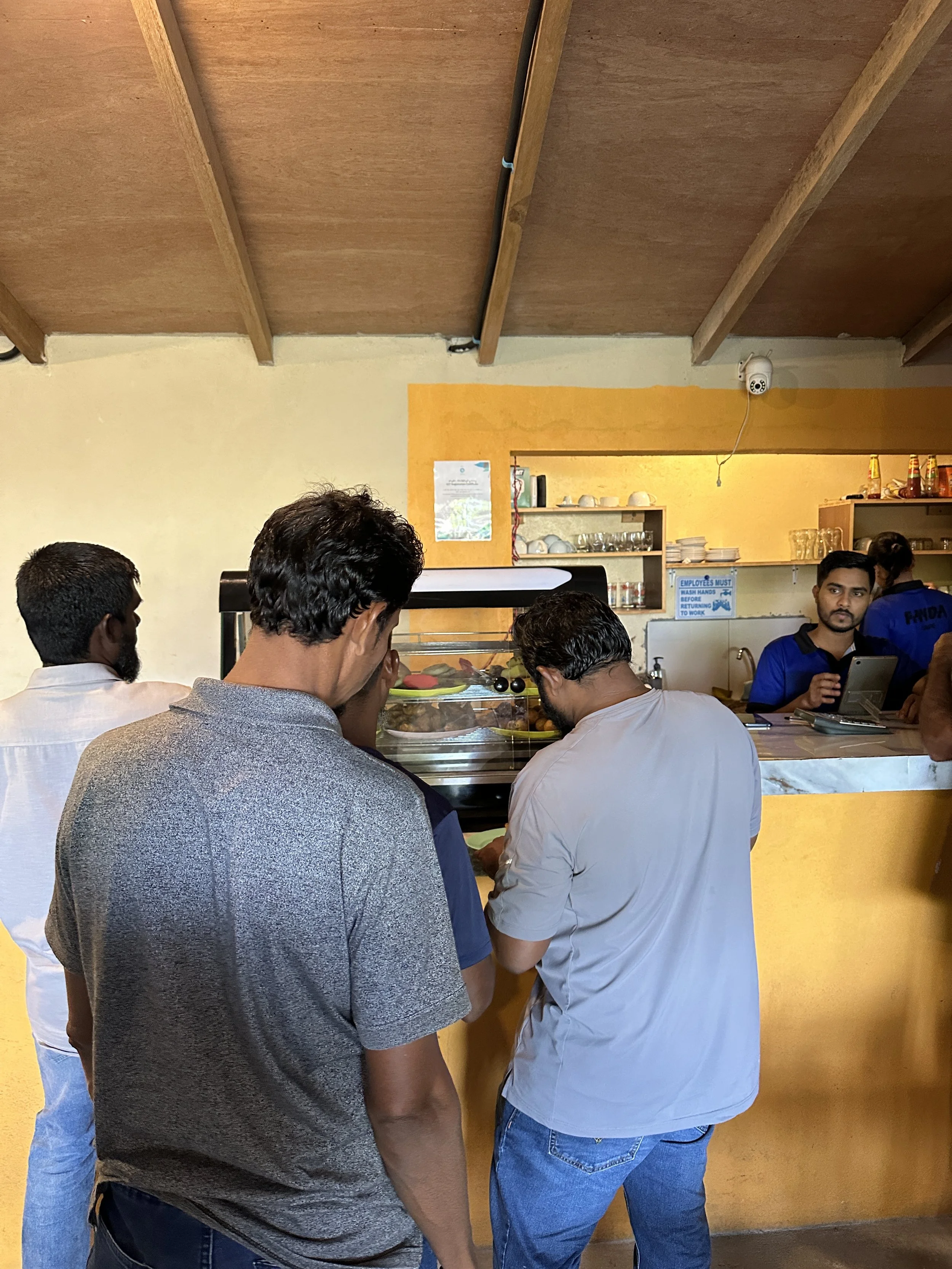
Between 4-6pm, it’s the locals’ favourite hours. Maldivian families do not have dine-out habit except for the evening tea, this is the time they will head out to local tea shops to order snacks (They called it short eats, often made with spicy tuna/eggs/potatoes fillings), and a cup of strong black tea. The younger Maldivians enjoy milkshakes or jugo from the very same shop. Do note that, none of the fruity milkshakes or jugo on the menu actually contains the real fruits, the flavours come from processed powder and artificial syrups. This applies across the Maldivian market, except for several upscale cafes in the capital of Male and its manmade neighbour, Hulhumalé.
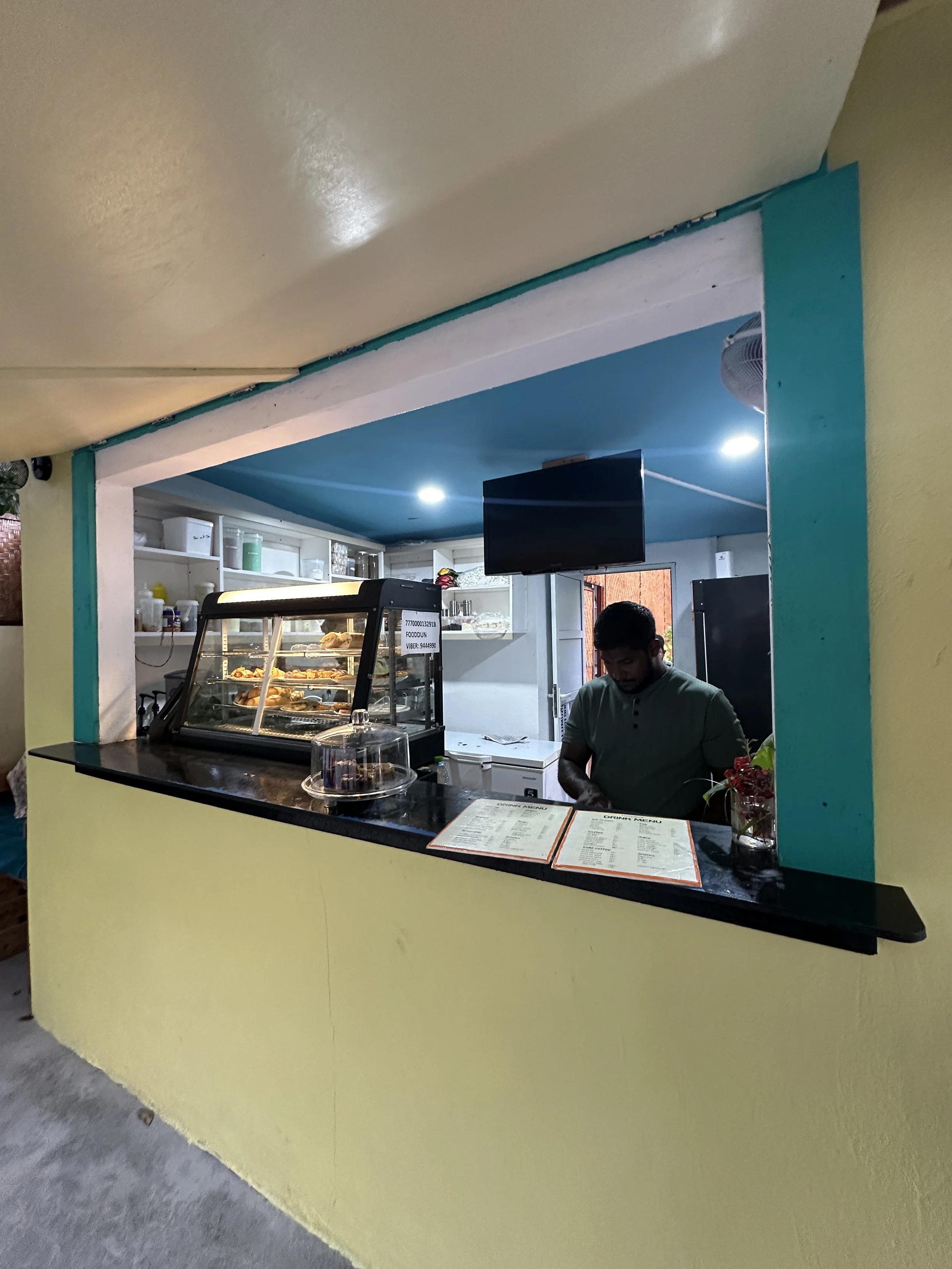
How to spot the local tea shop? They usually have a glass display, you may simply point and choose the pieces you’d like to try.
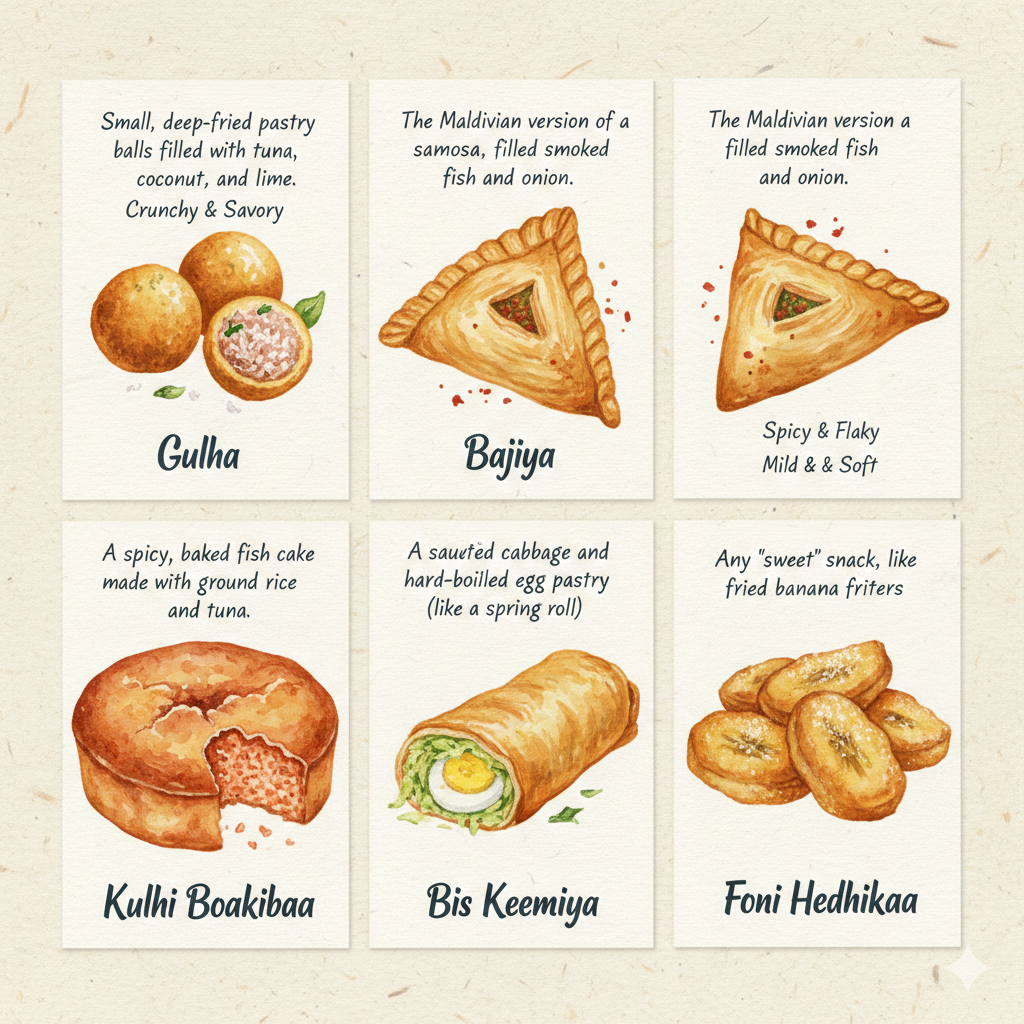
List of common Maldivian Hedhikaa a.k.a. short-eats
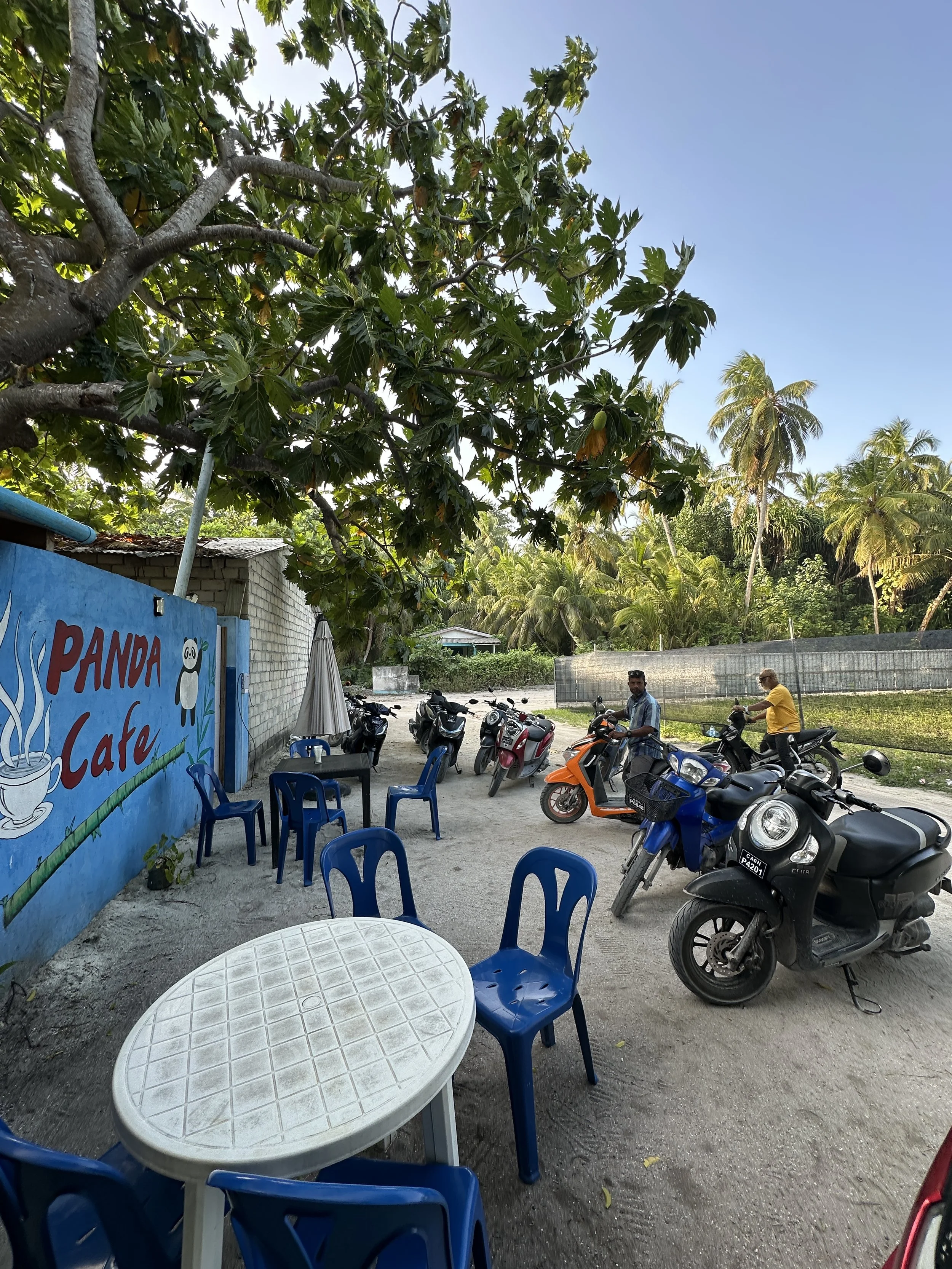
We tasted our way across several tea shops and highly recommend Panda Cafe, home to the most delicious bajiya (the shape is just like a Samosa, but the filling is with tuna and herbs mixtures) and a local favourite across all opening hours. Also recommend you Fooddun (open from 4pm) for its great ambiance and drink menu. The fish cake (kulhi) at Fooddun is also worth trying. Both spots are located near the harbour and within walking distance of each other. P/S: Don’t be deceived by the bland look of these short snacks, they’re flavour bombs!
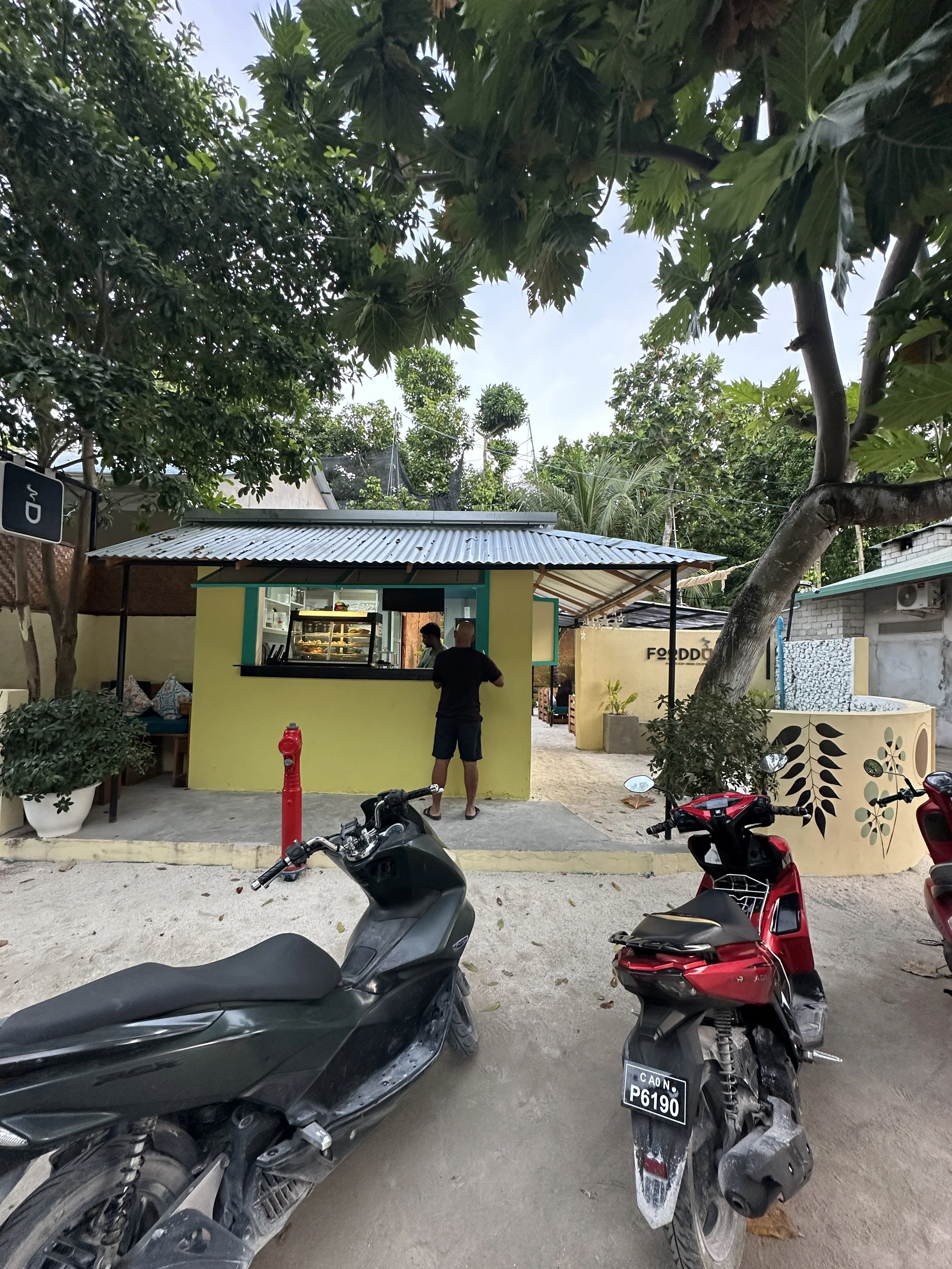
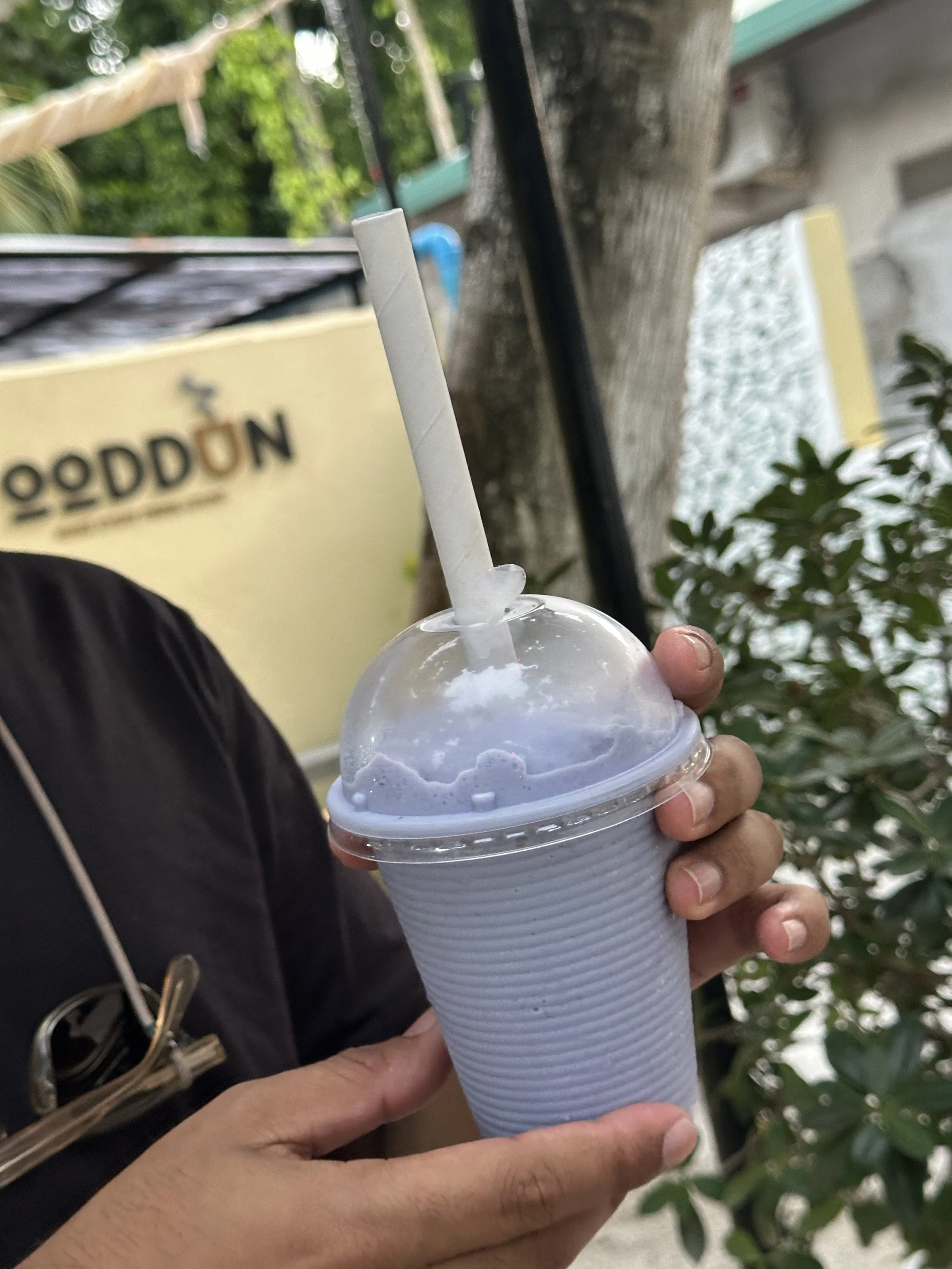
4. Evening Stroll to the Harbour
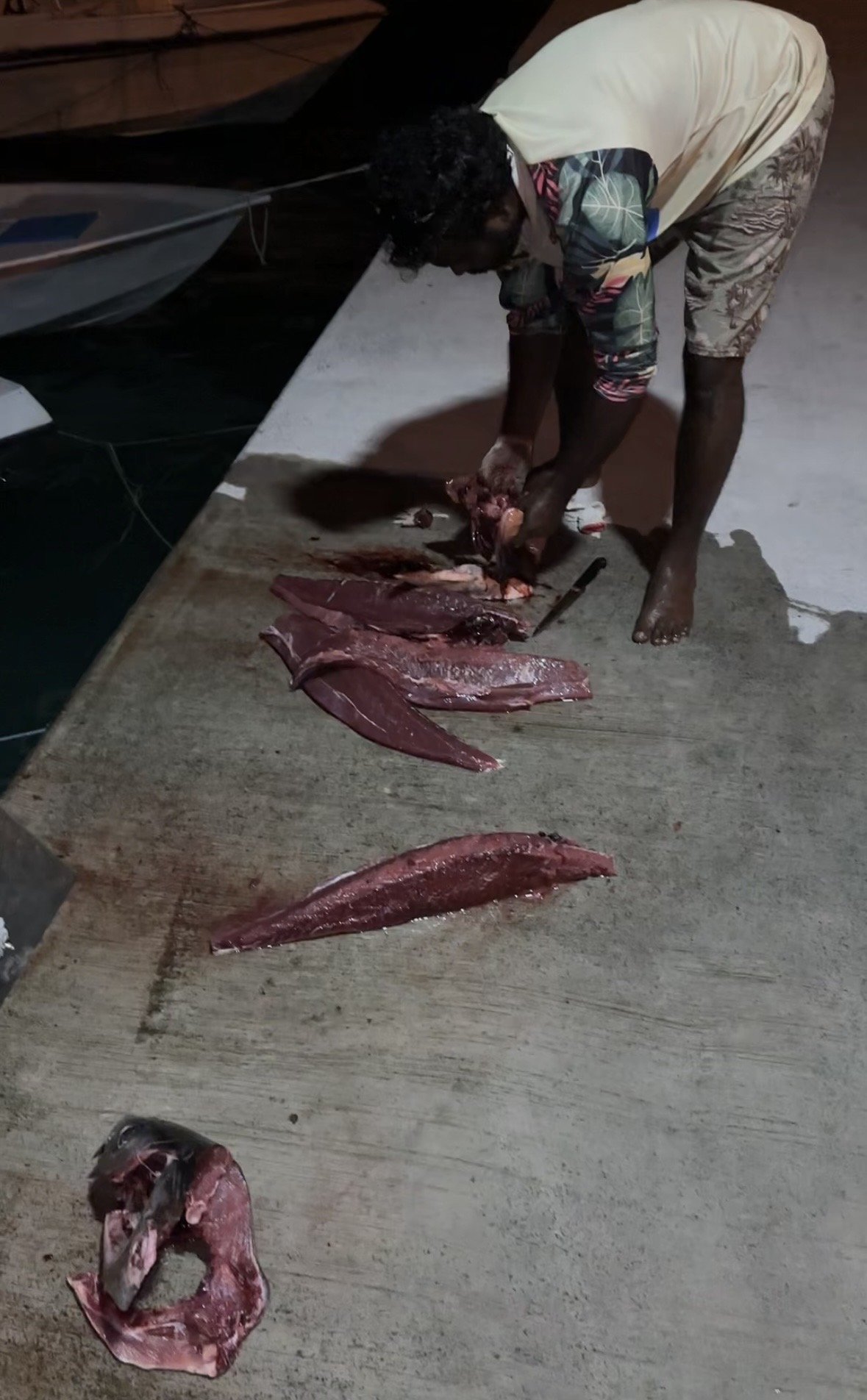
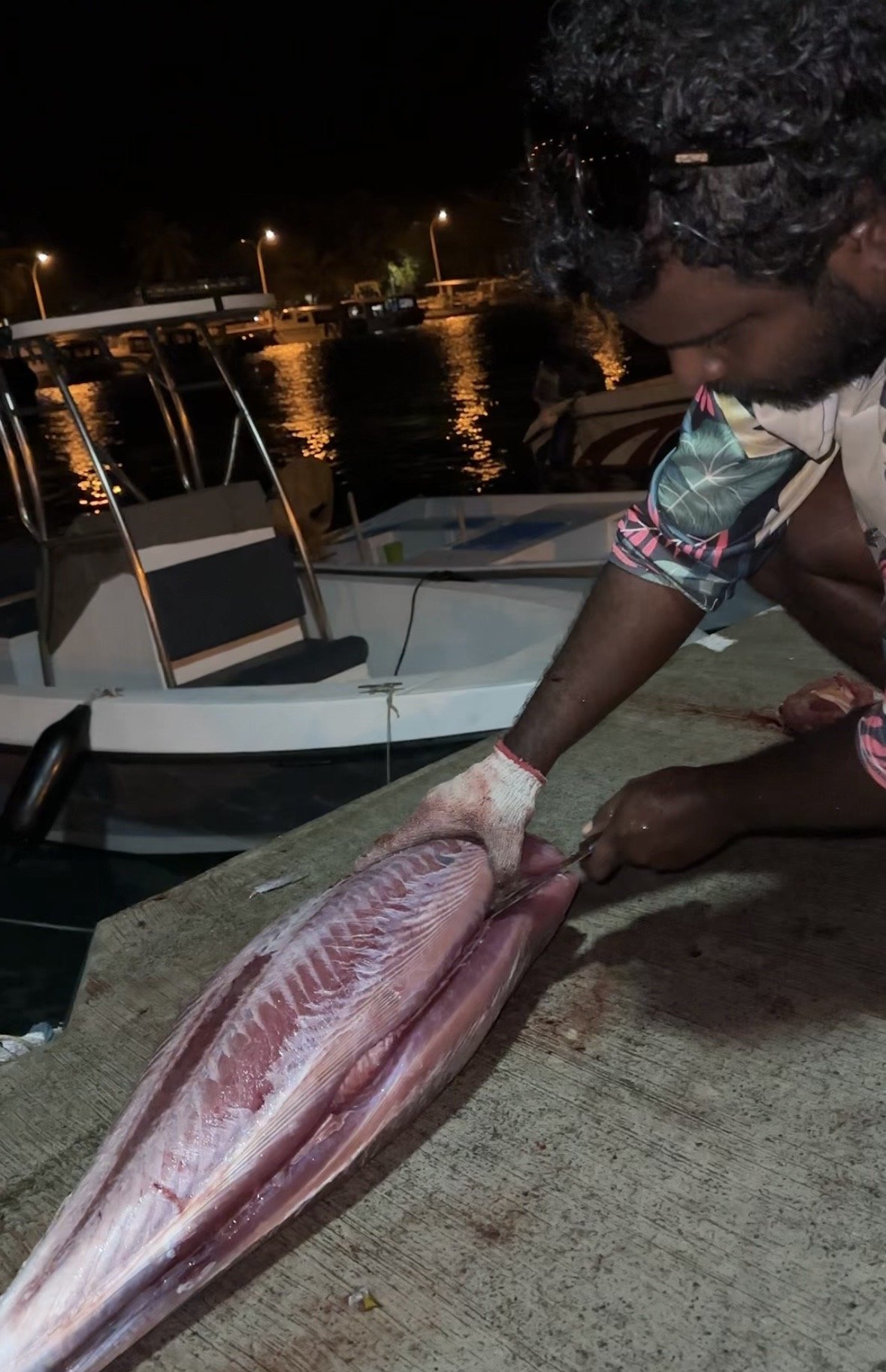
Want to see sharks without paying for an excursion? Head to the harbour in the late evening and look for fishermen who’ve just returned. More often than not, they clean their catch right there before heading home. As they rinse away the blood and remains into the sea, it’s enough to draw in adult nurse sharks for a curious sniff and an easy snack.
Fun fact about nurse sharks, they don’t bite….they suck! They have a powerful throat muscle that allows them to "inhale" prey like a high-powered vacuum. Their suction is strong enough to pull a large conch snail straight out of its shell.