
The Blood Sport Of The Indonesian Archipelago: Inside The Sumbanese Pasola War
Hearing about pasola by accident
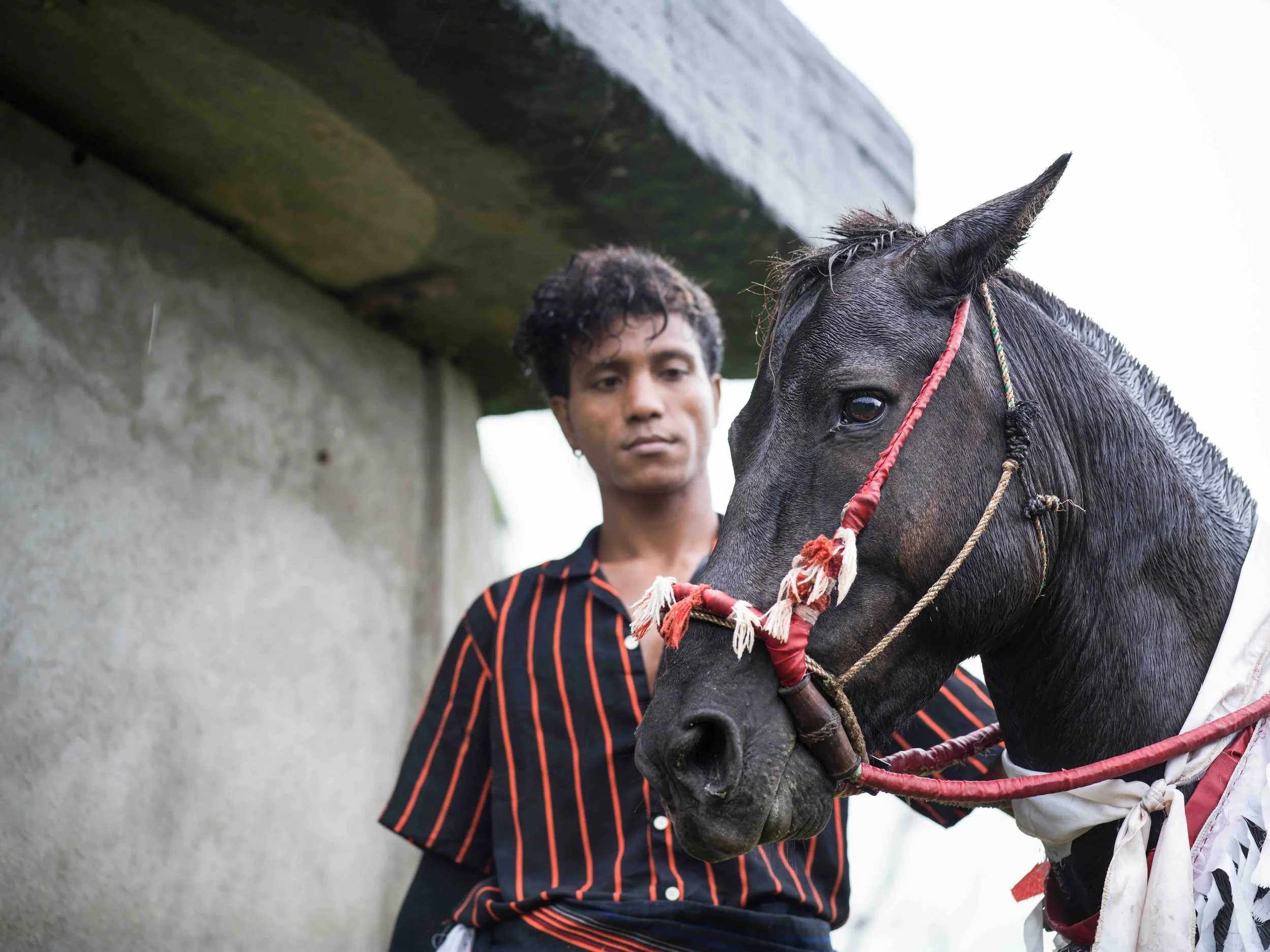
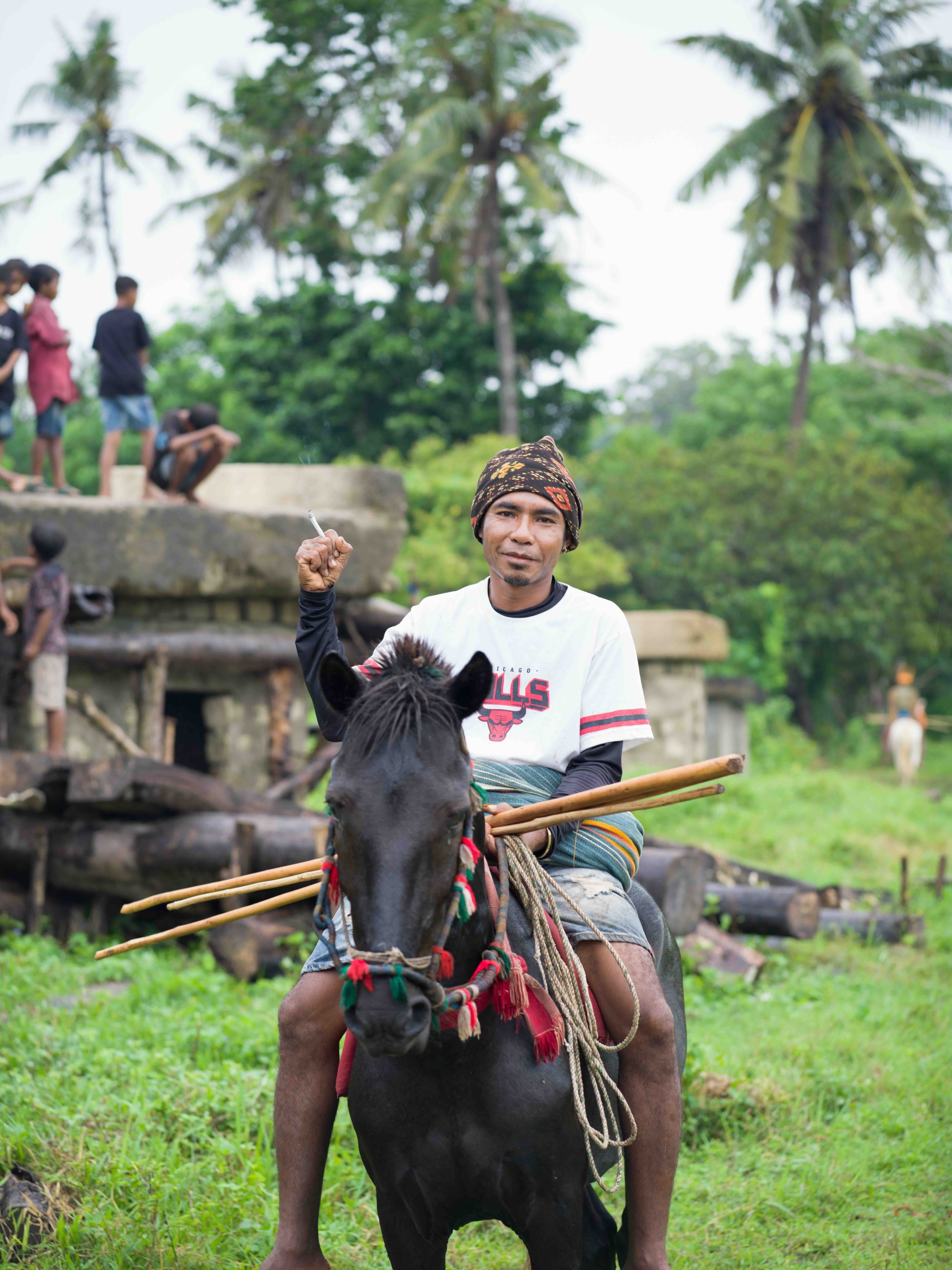
A Sumbanese warrior named Simon, 18 years old, had traveled for an hour from another village to join the battle.
There’s very little information about Pasola in Sumba. In 2025, I just so happened to be in Bali for a few days when I overheard a conversation about the Pasola dates having just been released - coinciding perfectly with my time in Indonesia. I quickly booked a trip to Sumba, flying out of Denpasar Airport.
With very little pre-trip research, I learned most of what I know about Pasola through conversations with locals and by being there on the ground.
The meaning of pasola and the marapu belief
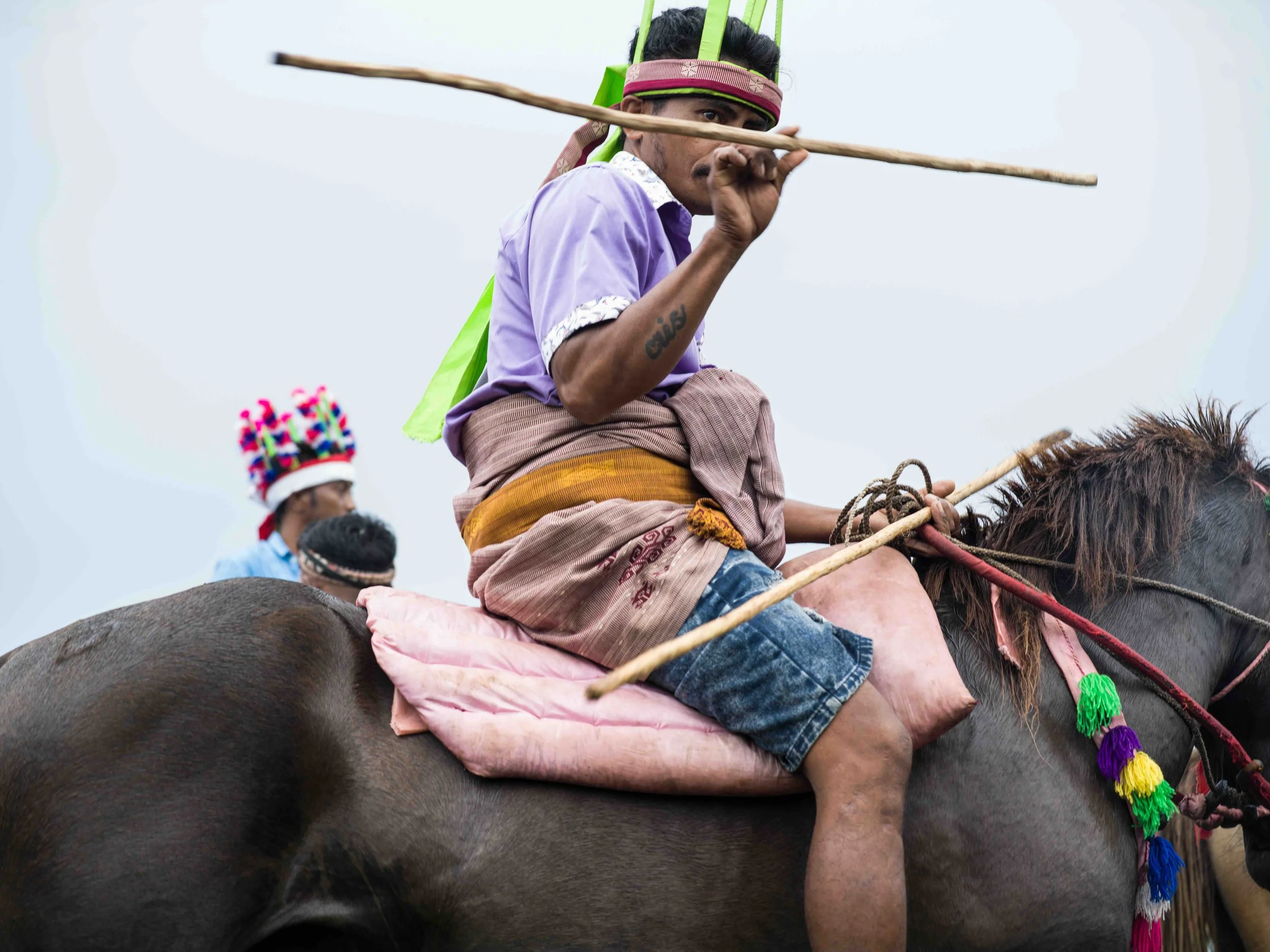
Warriors are adult men selected for their bravery and horsemanship. They typically represent opposing villages or clans (e.g., Praibakul vs. Waihura). They ‘fight’ with wooden spears approximately 1.5 meters long and 1.5 cm thick. For safety, modern rules require spears to have blunt tips; metal tips are strictly forbidden.
The word Pasola comes from the Sanskrit word sula, meaning spear. Pasola is part of the Marapu religion - Sumba’s ancestral belief system that seeks harmony between the living and the spirits. Its origins lie in a folklore tale. Long ago, a local leader named Ubu Dulla went on a long journey with his brothers. When they failed to return for an extended period, the villagers believed they had died. His wife, Rabu Kabba, eventually fell in love with and eloped with a man from another village, Teda Gaiparona. When Ubu Dulla unexpectedly returned, he was heartbroken to find his wife with another man. To avoid a bloody civil war between the two families and to “wash away” the sadness of their leader, the community held the first Pasola.
Today, Pasola is no longer about a lost wife. It has evolved into a sacred thanksgiving to the ancestors and a prayer for a successful rice harvest. Every year, it takes place on a different date - typically in February or March - depending on the high priest. The high priests, known as Rato, do not choose a date based on the calendar; instead, they wait for a sign from the ocean. Early in the morning, the Rato go to the beach to look for Nyale - colorful sea worms that appear only once a year. If the worms are fat and vibrant, it signals a bountiful harvest ahead. If they are thin or brittle, it may indicate a difficult year. Only after the worms appear can the “war” officially begin.
kodi: where the horse battles take place
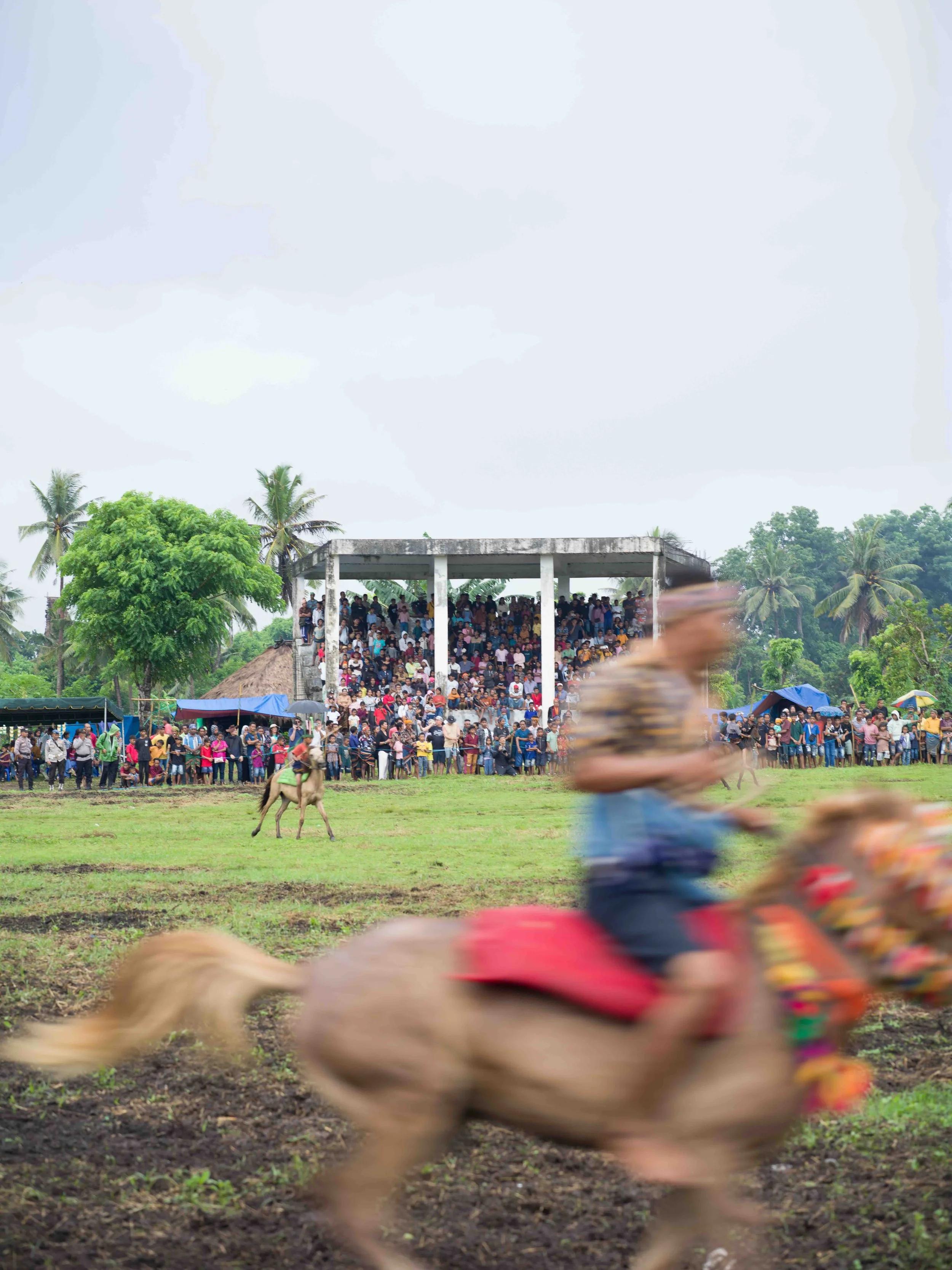
The Rato's Signal
The "war" officially starts only after the Rato performs a prayer and symbolically throws the first spear into the arena.
The Pasola I visited took place in Kodi, in the southwestern part of Sumba Island. Located there is Ratenggaro Village, which hosted Pasola 2025 for the horse battles. Ratenggaro is special even without Pasola - I would urge anyone to visit. It is famous for having the tallest traditional rooftops on the island (some reaching 15–20 meters) and for its massive megalithic stone tombs.
While Pasola was once bloody, the modern version now uses wooden spears dulled into rounded tips. Despite these safety measures, traditional Marapu belief still holds that spilled blood is necessary. In the past, human blood was the goal; today, if no one is injured during the battle, locals may sacrifice animals, such as pigs or chickens, to ensure the earth is still “fertilized” with blood for the ancestors. The weight of these ancient rituals became much more personal when I met Arnold Sailang, a Sumbanese native, also a Communication Manager at Cap Karoso, whose own family history illustrates the deep trust the Sumbanese place in these bloody omens.
Over the drive, he spoke about his grandfather - a man who was, in his own way, a shaman. When people in the village were lost, anxious, or standing at a crossroads, they went to him. In his final year of high school, facing an exam that felt like it could determine the shape of his life, he was gripped by fear. His grandfather saw it before he said a word. An animal was sacrificed, its fate read in the form of bloody intestines, as a message from the unseen. When it was over, his grandfather told him to stop worrying. The signs were clear. He would do well. He half-doubted it. Yet in the end, he did exactly as foretold, he scored well.
The opening of Pasola was a sight to behold. The Rato arrived on horseback, his body rigid, his presence almost otherworldly. He appeared to be in a trance, eyes stretched wide open, tongue protruding as if he were no longer entirely present in his own body. It was unsettling and electrifying at the same time.
Around him, the warriors erupted in loud cheers and shouts. The energy at the venue shifted instantly - one could feel a mystic tension in the rain-soaked air. More of the crowd began to gather around the gated battleground, which stretched far and wide.
I’m not sure when or how, but the horse-riding warriors had split into two groups, mixing riders from different villages and of all ages. Many were just 15 or 16, taking part in Pasola for the first time.
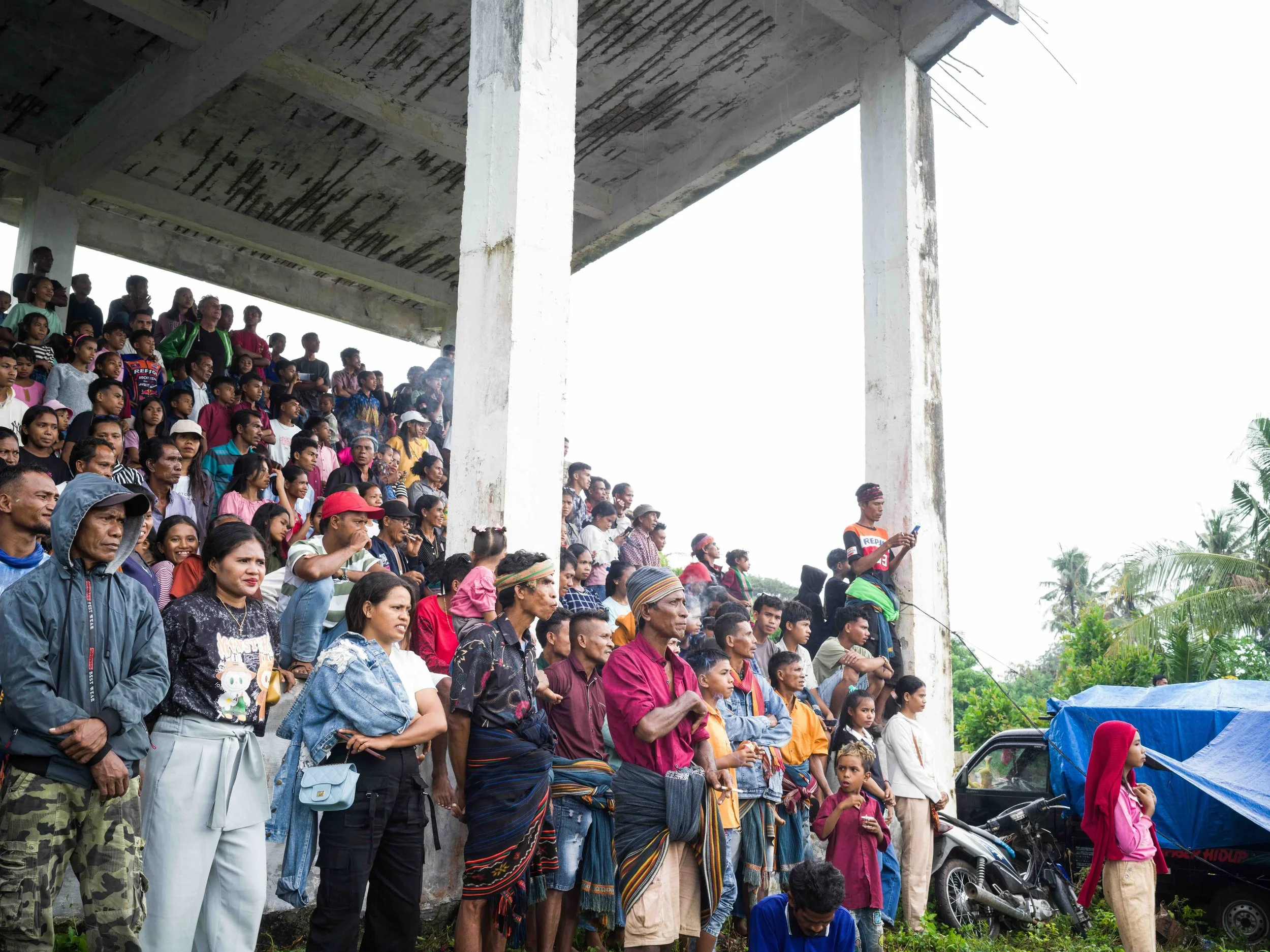
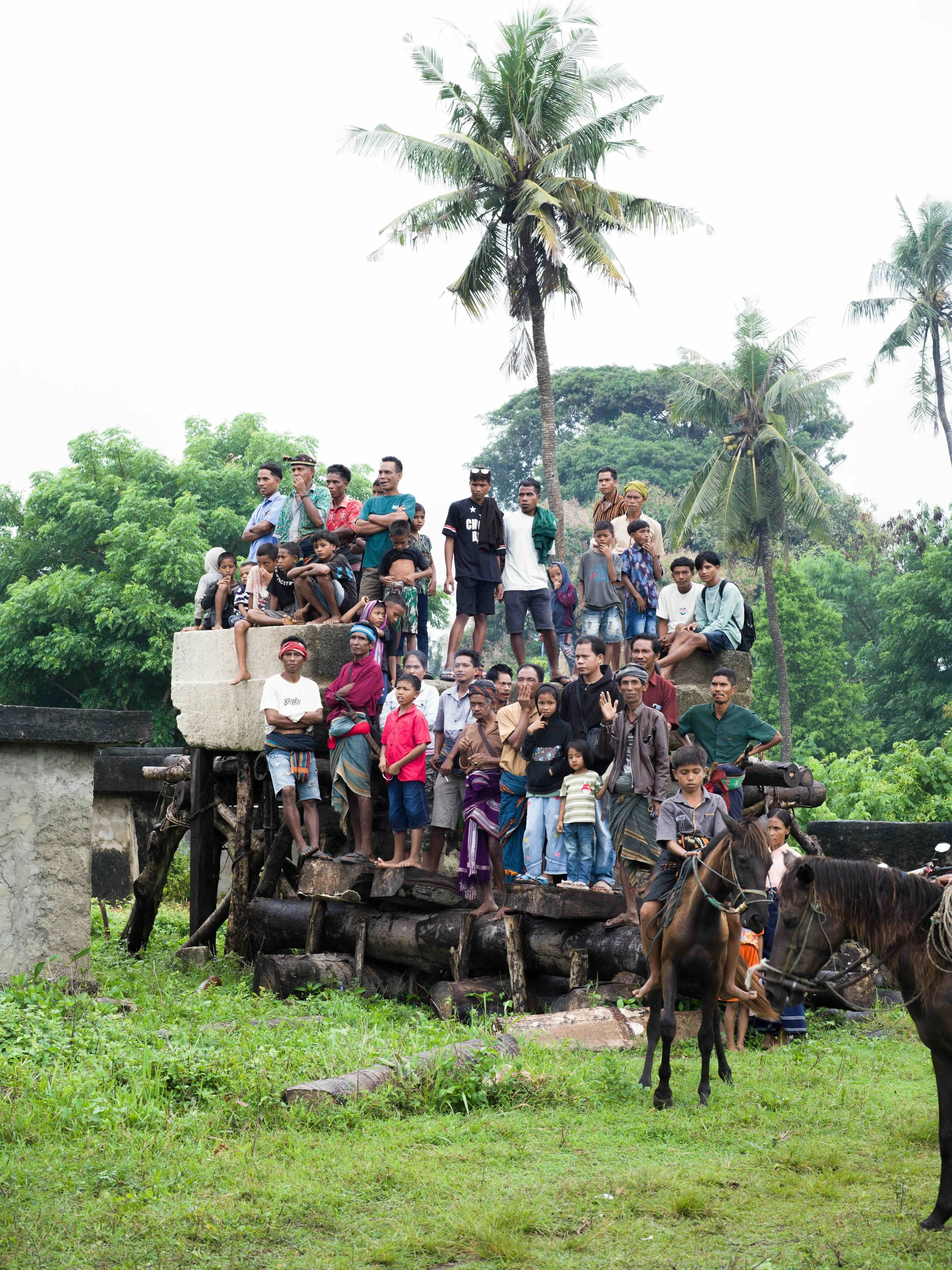
Villagers arrived from different areas, fully engrossed in the battle.
Little notes of observation
Pasola always arrives with rain, it is held during the wet season, and the downpour is almost expected.
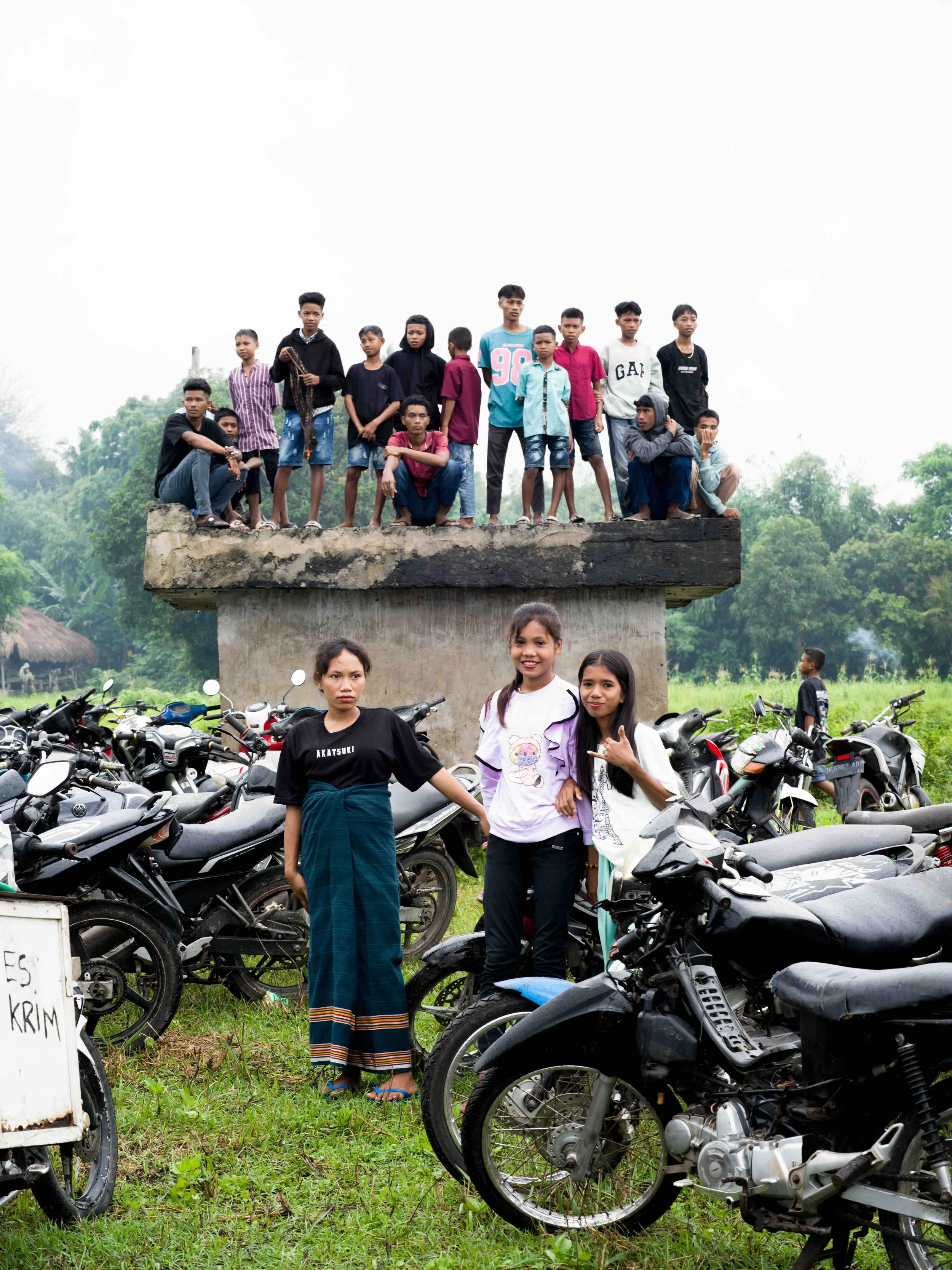
On the battle grounds, villagers from the region climbed to higher vantage points to get the best view. Some stood on built platforms, others atop megalithic stone tombs, and a few even on the roofs of lorries. It was quite a sight to behold.
Perhaps the most refreshing part was that, out of hundreds of people, only four or five were recording on their phones. Everyone else was fully engrossed, watching with their own eyes.
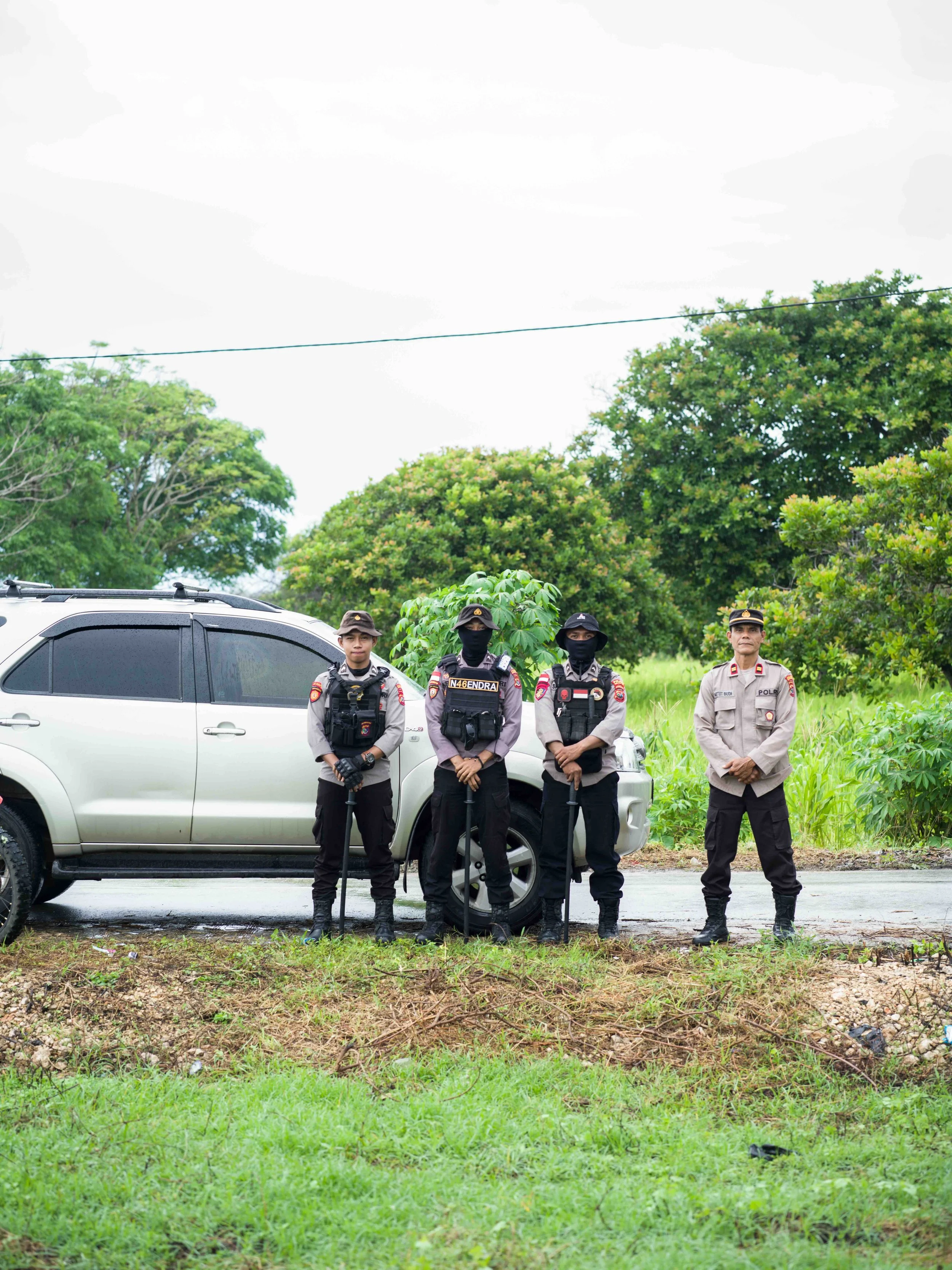
Armed police stood at a respectful distance, present only to contain any potential outbreak of chaos.
Disappearing Cultures Verdict:
Based on my observation, I don’t think Pasola is in danger of becoming a disappearing culture anytime soon. It remains a vital part of the Marapu belief system. Locals see the ritual as essential for ensuring land fertility and a successful rice harvest. Community identity is still strong, with many youth participating eagerly as both observers and warriors, bringing together different villages and clans to celebrate shared history and cultural pride. In regions like Gaura, children are trained in Pasola skills from a young age, and entire days of the festival are sometimes dedicated to young boys to ensure the tradition is passed down.
I hope Pasola will never become a tourist spectacle, with dates preset for foreign visitors’ convenience. The sacred ritual should always follow the guidance of the Rato and the appearance of the Nyale, remaining true to its cultural and spiritual roots.
Special Thanks
I want to take a moment to thank Cap Karoso for supporting me as a photographer during Pasola. Their help allowed me to document this incredible tradition up close, capturing moments I otherwise could not have experienced. More than just a stunning beach resort with a thriving farm, Cap Karoso truly values culture, heritage, and storytelling.
If you’re planning a cultural trip to Sumba, staying here is a meaningful choice. It’s conveniently close to Ratenggaro Village, and on occasion, they host anthropologists in residence, offering guests deeper insight into the local traditions and way of life.
