
Cultural Shock in Oman: What Nobody Tells You About the Nizwa Market
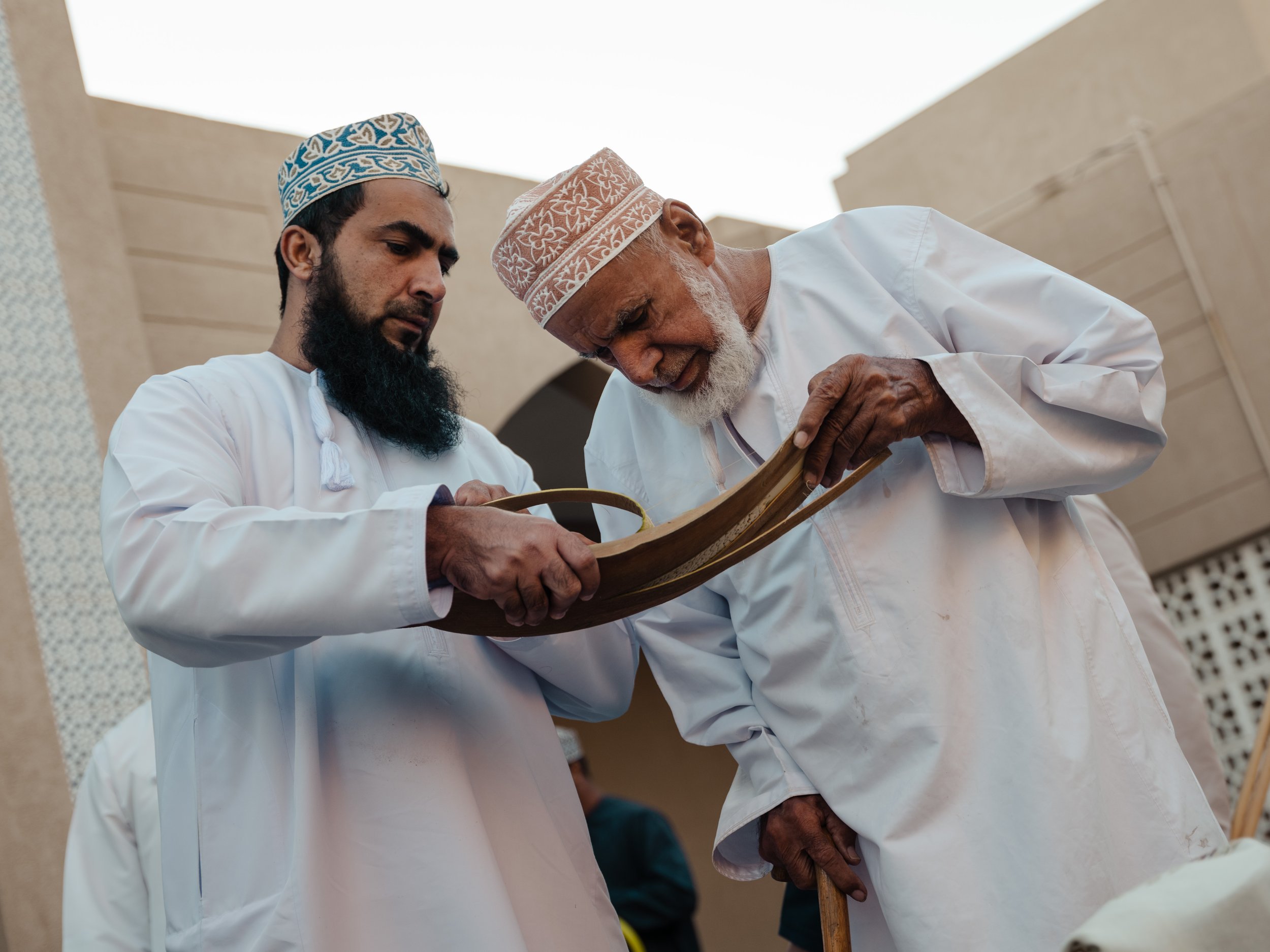
Prospective buyer looking at date palm pollen at Nizwa Souq, in the early morning
A visit to Oman, no matter how short, will almost certainly have Nizwa on the itinerary. Having been to Nizwa back in 2023 and again in 2026, I’ve watched this heritage town undergo a commercial transformation that is, frankly, too depressing to describe in detail. I’ll keep it short: a Chinese hotpot shop should never have found its way into a commercial space within 500 meters of the historic Nizwa Fort.
In my view, what remains truly authentic - aside from the fort itself - is the Nizwa Souq in the wee hours of the morning and the famous Friday livestock market. Arriving as early as 6:00 AM is the only way to catch a glimpse into the real lives of the Omani people before the modern world encroaches.
A Fortress of Tradition: The All-Male Arena
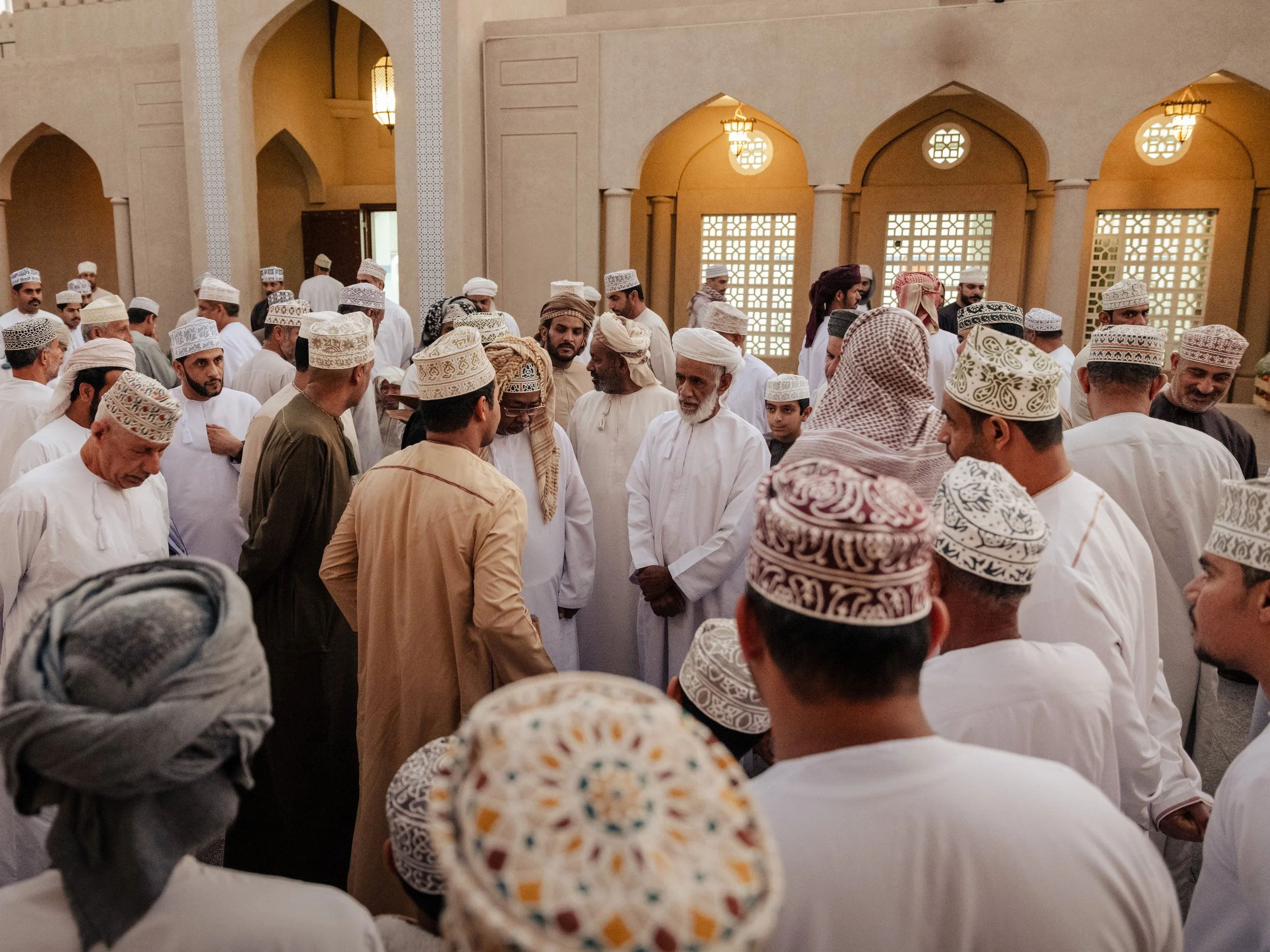
For many Omani men, going to the souq is as much a social outing as it is a chore; it’s where they meet friends, discuss news, and participate in community life.
Stepping into the market at dawn, the first thing that hits you isn't just the fresh air, it’s the demographics. In a world of globalized, gender-neutral shopping malls and morning markets, the Nizwa morning souq remains a staunchly male bastion. You won't find women browsing the stalls or haggling over prices here. Instead, it is a sea of white dishdashas and embroidered kummahs. In Omani culture, particularly in the interior regions like Nizwa, there is a traditional division of labor that has persisted for centuries. Traditionally, men handle the "outdoor" tasks, which include the heavy lifting, animal husbandry, and the logistical side of grocery shopping while women manage the household and children, and perform the majority of the cooking.
While this is the tradition, Omani women are increasingly integrated into the public workforce and education. However, the ancient souq like Nizwa’s tends to stick to the old ways.
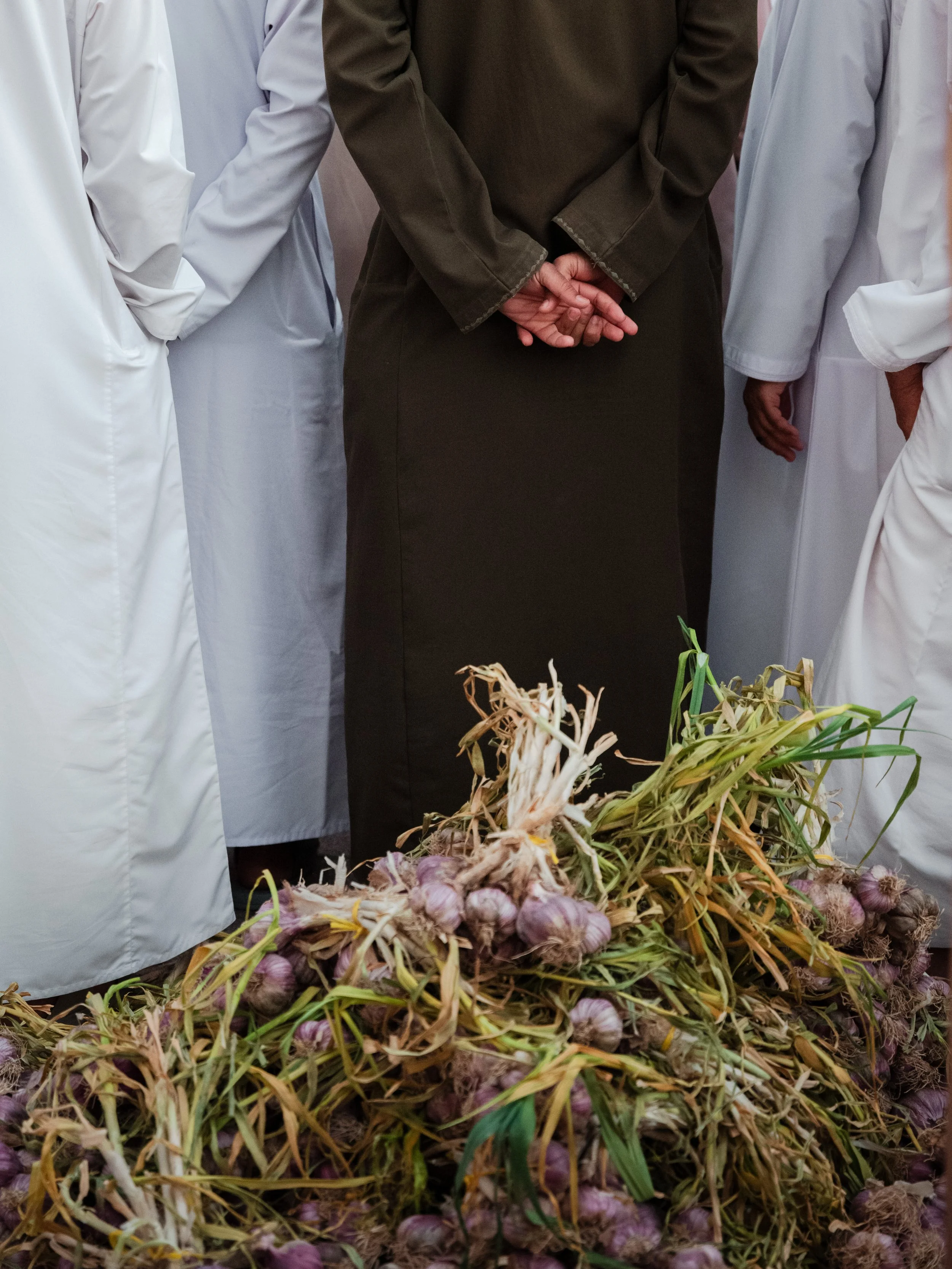
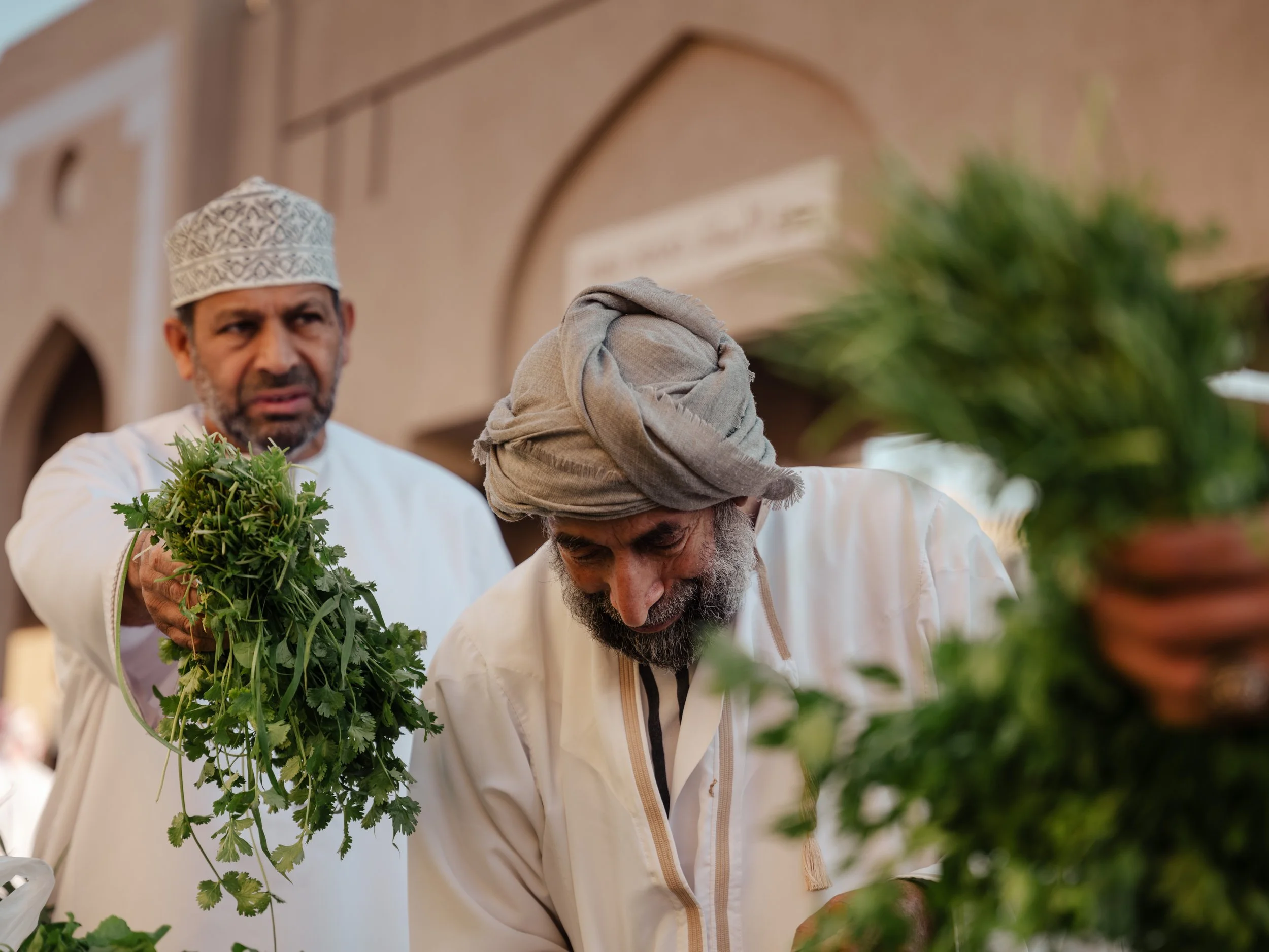
This also isn't your typical "morning market" where you gently pick through tomatoes. Right in front of the ‘Fish Souq” stands an open-air auction house. The energy is electric and surprisingly aggressive. Rather than the quiet negotiations you see in other countries, the men here shout their prices at the buyers. The sellers circle the arena, parading their goods like onions or date palm pollen, bellowing out numbers while buyers signal with a subtle nod or a sharp counter-shout. It feels less like a grocery run and more like a trading floor from a bygone century. I felt like I got a unique glimpse into a past that persists in the heart of Oman. As a woman, I also felt completely out of space.


The Date Pollen Sniff Test
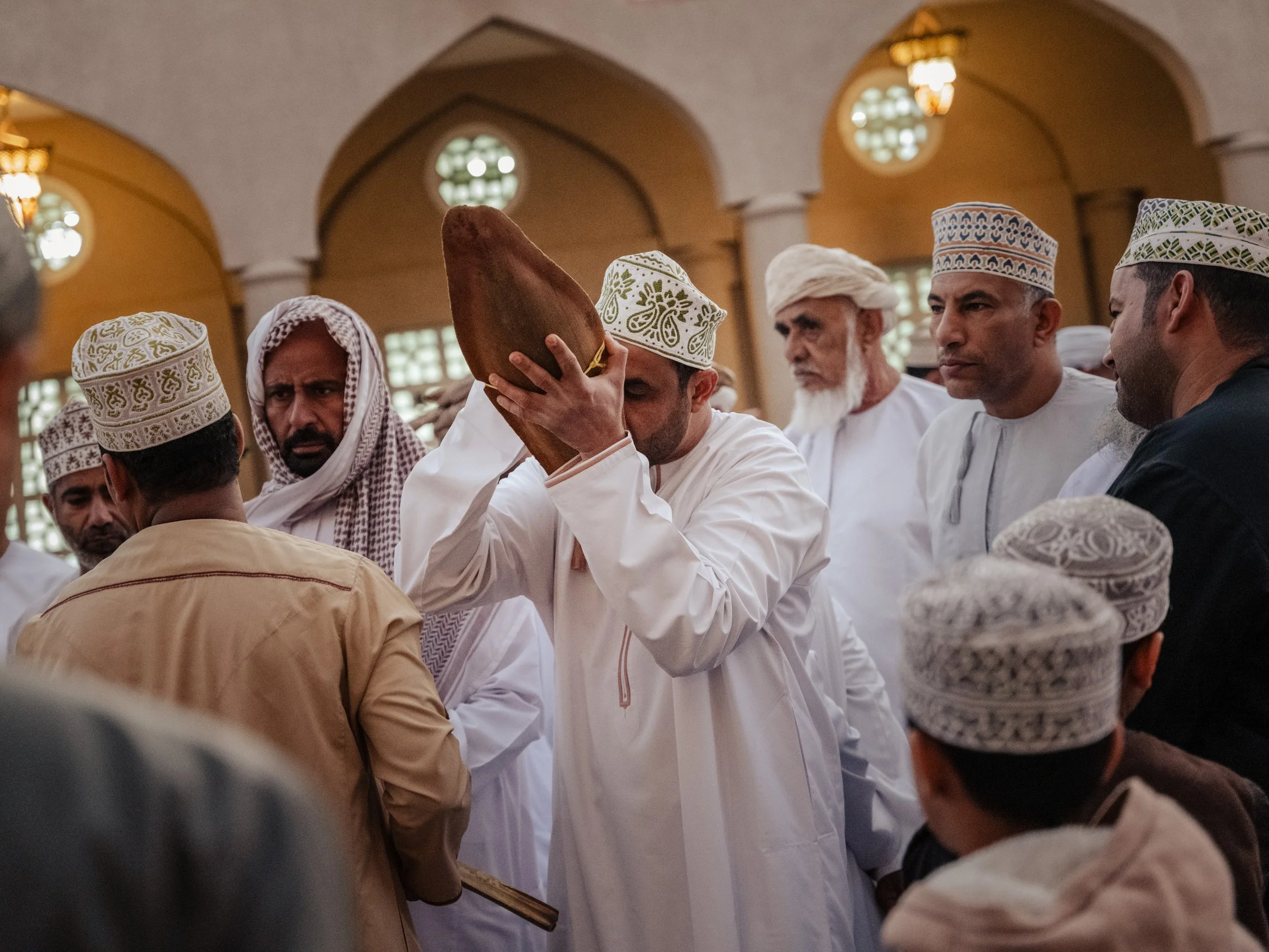
A keen buyer evaluating date palm pollen through a sniff test before purchasing
Beyond the shouting, there is a quieter, more scientific side to this masculine gathering. My photos captured one of the most fascinating sale of the morning: date palm pollen (locally known as Nabat).
In Oman, dates are life, and the quality of the pollen determines the success of the entire season. You’ll see men crowded around what looks like a heavy, leathery wooden club. This is the male spadix of the date palm. One by one, they would take turns to bring it close to their nose, and perform a rigorous sniff test. They are evaluating its freshness, its potency, and its "life."
Rather than seeking for a pleasant aroma; a strong, sharp odor indicates the pollen is fresh and highly potent, which is necessary for the manual fertilization of female trees. High-quality pollen from a male tree has a very distinct, pungent, and "flour-like" scent.
If the scent is faint or smells like dry hay, it signals the pollen is old or inactive. Using "dead" pollen would result in the loss of an entire year’s date harvest for the farmer. Because the pollination window is very short, buyers must be absolutely certain of the quality before purchasing, as these male branches can be quite expensive during the season.
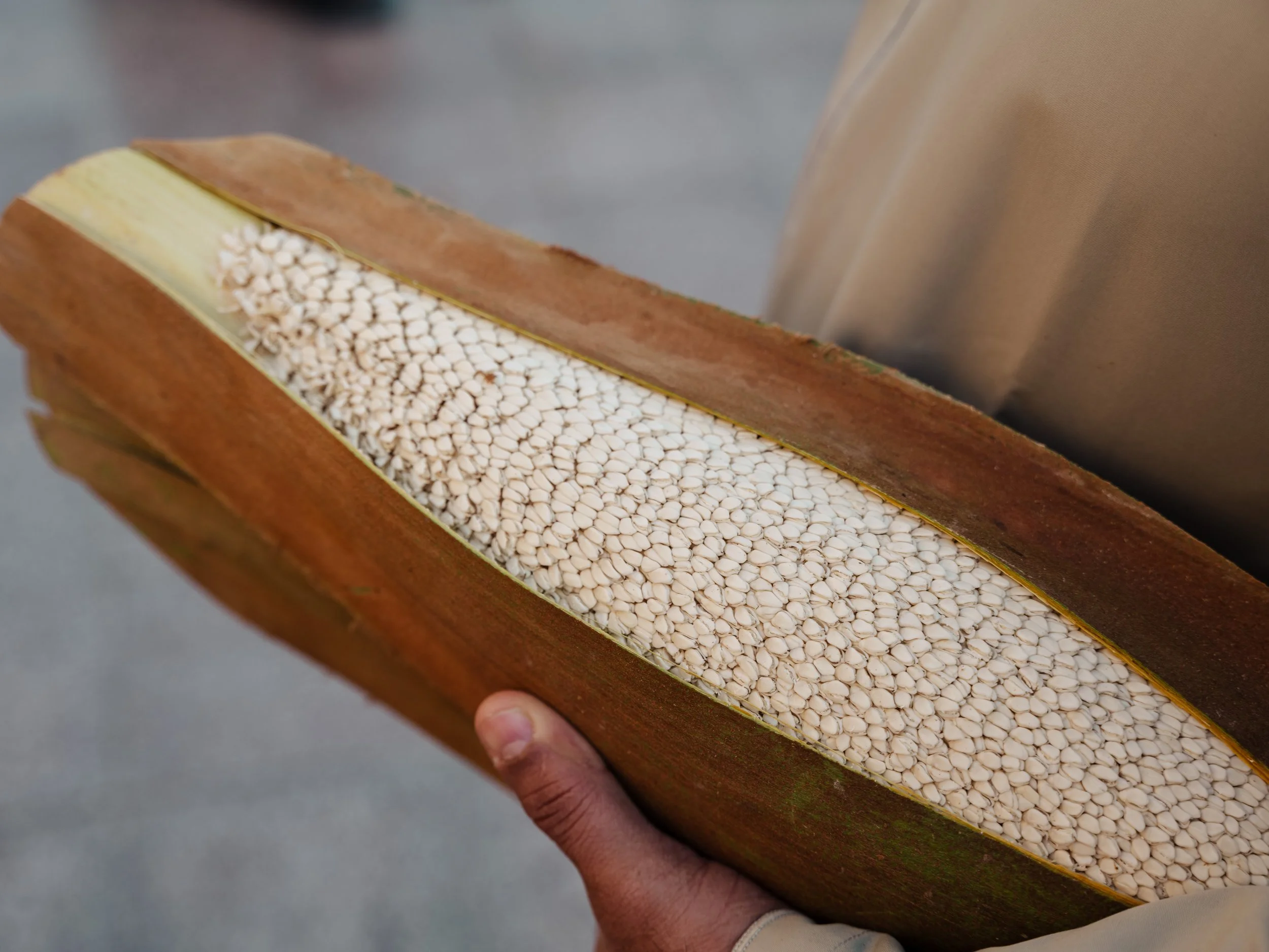
Close-up of a date palm pollen
Closing Note
In 2026, seeing this level of raw, unpolished tradition feels like a miracle. While the streets outside are being filled with global franchises and neon signs, this 6:00am, gathering remains a preserve for Omani men to conduct the serious business of grocery. There are no price tags here, just the generational knowledge of date pollen scent, the power of the human voice, and a deep-seated respect for their auctioning culture.
If you want to see Oman’s soul before more Chinese hotpot shops take over the rest of the town, set your alarm at 5:30am. The shouting starts at dawn.
Note for Visitors:
Nizwa souq runs from 6am every morning, and every Friday from 7am, there is a special livestock market with sellers travel from afar with their goats and cows to seek for bidders
Female tourists are perfectly welcome throughout the Nizwa Souq. To be respectful of the local culture, it is simply recommended to dress modestly by covering shoulders and knees. Here’s my outfit for reference:
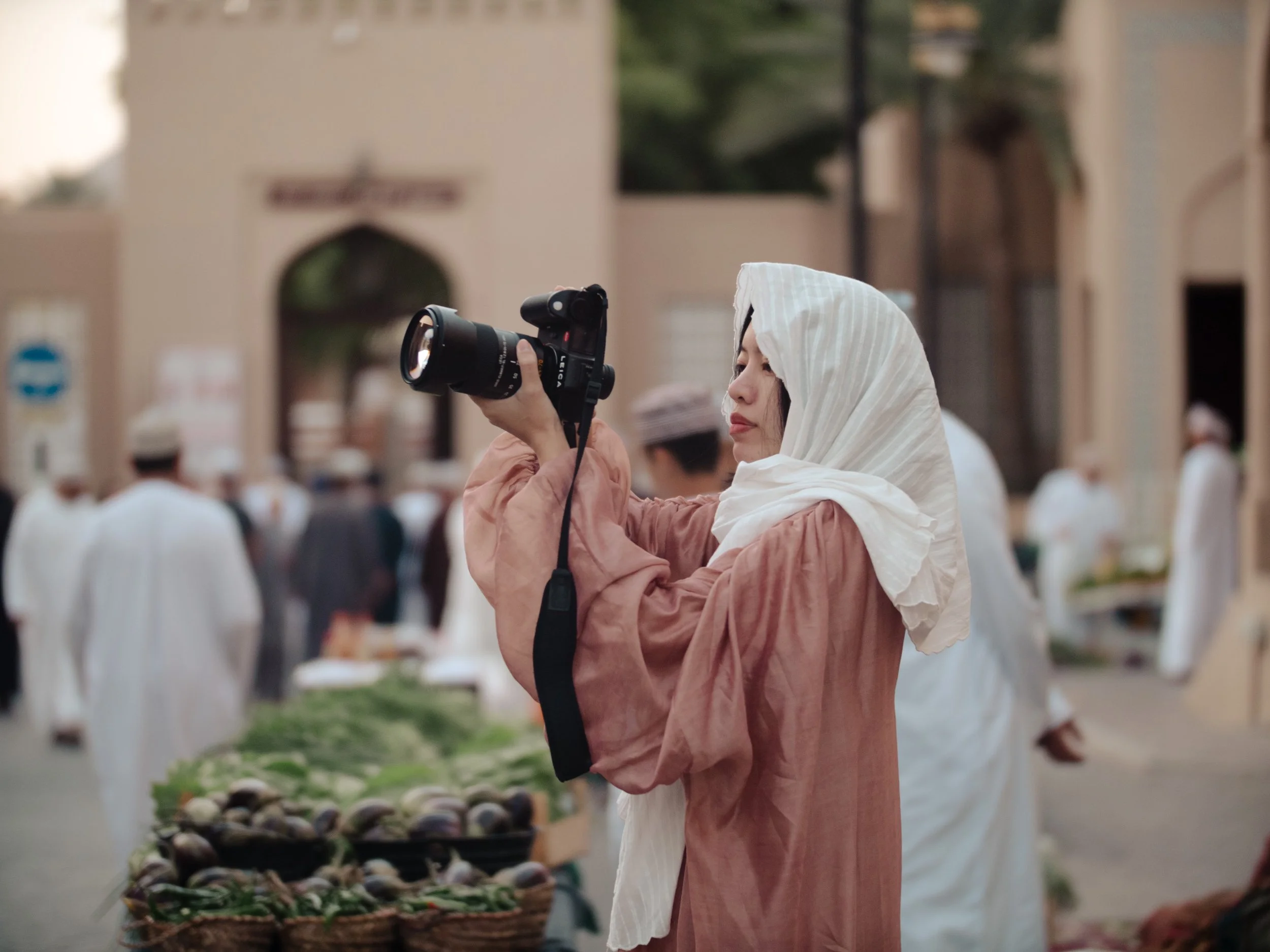
All photos at Nizwa Souq were taken with Leica SL2, 24-70mm f/2.8. Thank you Leica Malaysia for the support!
